
There has long been an underlying tension between professionals in the travel and tourism industry and those in the Meetings, Incentives, Conventions and Exhibitions (MICE) sector. While both industries depend on mobility, destinations, and visitor experiences, MICE professionals often resist being closely associated with tourism. This distinction is understandable. MICE is frequently positioned as a strategic business platform rather than a leisure-driven activity.
Yet, it is equally undeniable that the appeal of travel — discovering new destinations, engaging with culture, and experiencing a sense of place — remains a powerful factor in the success of association events.
Rather than viewing this as a contradiction, the industry would benefit from reframing the relationship. Travel and tourism and MICE are not competing identities but complementary components of a broader visitor economy. By thoughtfully differentiating their roles while recognising their interdependence, both sectors can strengthen their value proposition and deliver greater impact — particularly for associations seeking meaningful and high-value outcomes.
Differentiating Purpose: Leisure Versus Outcomes
The fundamental difference between travel and tourism and MICE lies in purpose. Travel and tourism are largely driven by leisure, exploration, and personal enrichment. The sector focuses on attracting visitors, promoting destinations, and delivering memorable experiences. Success is often measured through visitor arrivals, length of stay, and tourism spending.
MICE, by contrast, is purpose-driven and outcome-oriented. Association congresses, conventions, and professional meetings are designed to achieve specific objectives — knowledge exchange, professional development, policy dialogue, industry advancement, and community building.
For associations, this distinction is particularly important. Events are not simply gatherings — they are platforms to advance professional standards, share research, influence policy, and strengthen member engagement. This outcome-driven nature elevates MICE beyond travel logistics and positions association events as strategic enablers of industry development and global collaboration.
Professional Identity and Strategic Value
This difference in purpose shapes professional identity. Tourism professionals typically focus on destination marketing, hospitality management, and experience design. MICE professionals — particularly those working with associations — operate within a more complex ecosystem involving boards, committees, academic communities, industry leaders, and government stakeholders.
Delivering a successful association event requires programme curation, stakeholder alignment, content development, and measurable outcomes. These elements reinforce the perception that MICE operates at a more strategic level than traditional tourism.
However, differentiation does not require separation. In fact, positioning MICE entirely outside the tourism ecosystem risks overlooking one of its greatest strengths: the power of destination appeal.
Singapore: Where Business Events Meet Destination Appeal
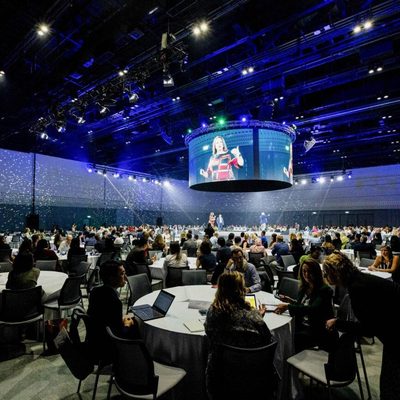
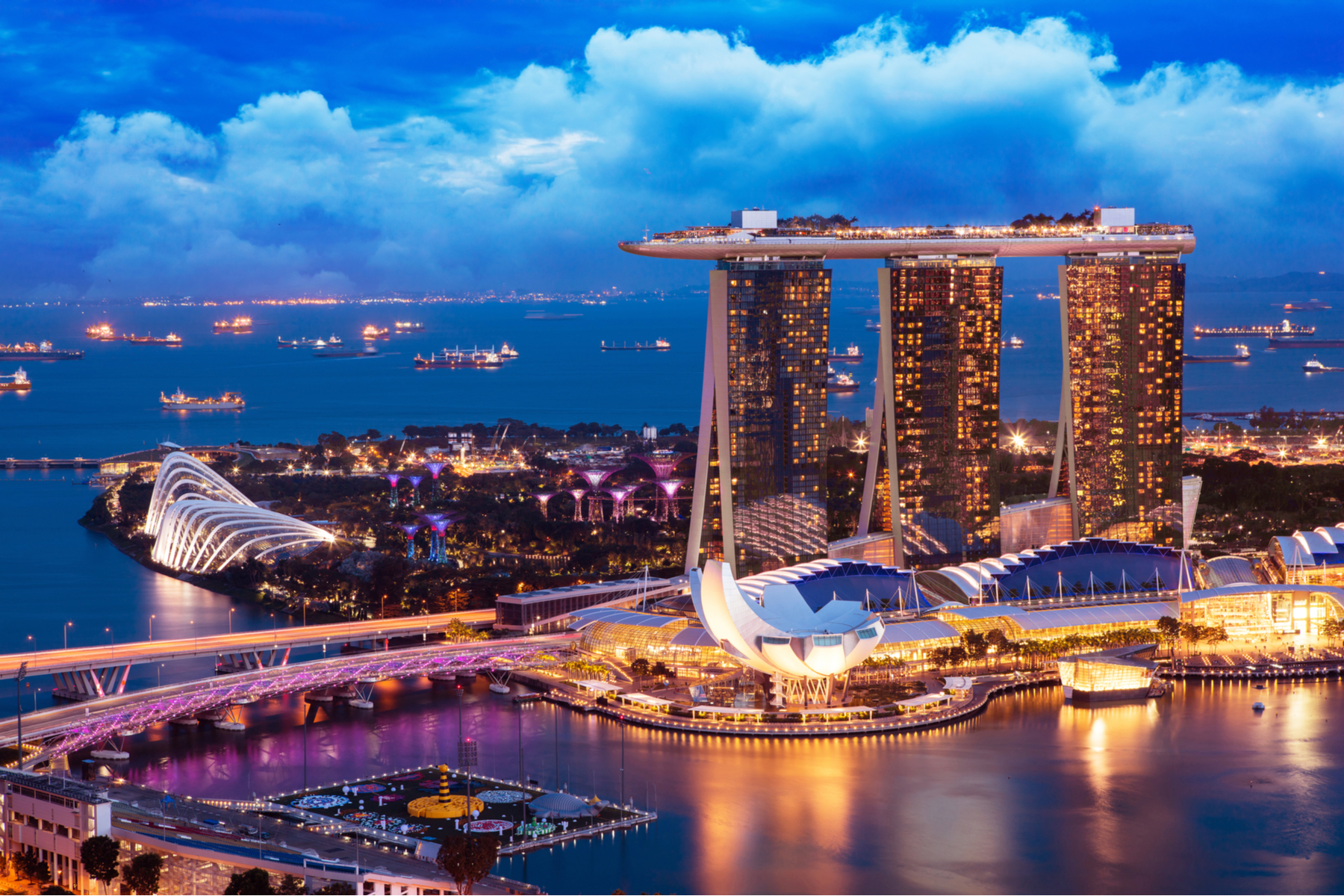
Singapore offers a compelling example of how association events can successfully integrate business objectives with destination experiences. The city has positioned itself as a global hub for association meetings, supported by strong connectivity, sustainability initiatives, and a dynamic innovation ecosystem.
Major association-driven events such as the World Cities Summit and sustainability-focused gatherings like Ecosperity Week demonstrate how Singapore blends thought leadership with destination appeal. These events bring global leaders together to exchange ideas and collaborate while leveraging Singapore’s accessibility, infrastructure, and cultural diversity.
Similarly, international association meetings including leadership gatherings like YPO EDGE and global professional conferences — showcase how destination infrastructure and experiential offerings enhance delegate engagement and attendance.
In Singapore’s case, destination appeal is not an add-on — it is part of the value proposition. Delegates benefit from seamless logistics, vibrant cultural offerings, and opportunities to explore the broader Southeast Asian region, reinforcing the link between tourism and business outcomes.
Thailand: Blending Cultural Experience with Business Events
Thailand provides another strong example of how associations benefit from the integration of MICE and tourism. Bangkok has emerged as one of Asia’s leading convention destinations, hosting 115 international conventions in 2024 and ranking among the top cities globally for business events.
Thailand’s success is partly driven by its ability to combine modern infrastructure with cultural experiences and hospitality — factors that enhance delegate participation and satisfaction.
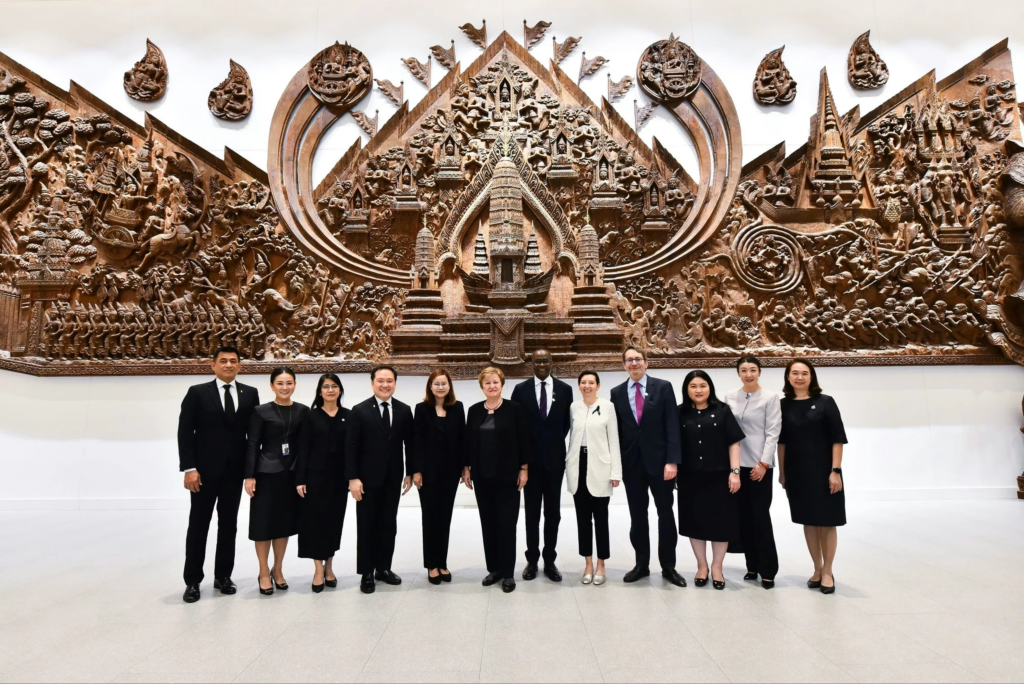
Events such as international association congresses held in conjunction with major industry gatherings, including those aligned with the ICCA Congress in Bangkok, illustrate how Thailand integrates professional exchange with destination engagement. These forums bring associations together while leveraging Thailand’s cultural and experiential offerings.
Thailand’s approach also emphasises incorporating local arts, culture, and heritage into business events — reinforcing the connection between tourism and association engagement.
Positioning Within the Visitor Economy
These examples from Singapore and Thailand illustrate a broader shift toward the visitor economy model. This framework recognises that leisure tourism, association meetings, conventions, and exhibitions all contribute to economic development, knowledge exchange, and global connectivity.
For associations, this integrated approach creates stronger events. Destination appeal drives attendance. Cultural immersion enhances engagement. Business outcomes create lasting value.
Rather than competing, tourism and MICE strengthen each other.
Co-Existence Through Collaboration
For meaningful coexistence, collaboration between tourism and MICE stakeholders is essential. Tourism organisations can support associations by developing curated experiences, cultural immersion programmes, and pre- and post-event opportunities. Meanwhile, associations bring high-value communities, thought leadership, and long-term engagement to destinations.
Destinations that successfully integrate these approaches are not simply places to visit — they become platforms for collaboration, innovation, and professional growth.
From Destination Appeal to Business Impact
Ultimately, travel and tourism create the emotional appeal that draws people to a destination, while MICE delivers the strategic outcomes that create lasting impact. One inspires; the other transforms. One attracts; the other convenes.
For associations, this integrated perspective offers a powerful framework for event planning and destination selection. By positioning MICE within the broader visitor economy, associations and destinations alike can move beyond outdated distinctions and embrace a more collaborative future.
In an increasingly interconnected world, the most successful association events will not choose between tourism and MICE. Instead, they will harness the strengths of both — creating experiences that are not only memorable, but meaningful, and that deliver lasting value for members, industries, and destinations alike.