

Milestone anniversaries give associations a rare opportunity to look backwards and forwards at the same time. Yet many are still organised primarily around a gala dinner, commemorative materials or a celebration that ends when the anniversary year does. The Hong Kong Institution of Engineers (HKIE) took a broader approach to its 50th anniversary, using the milestone to connect three areas that associations often address separately: institutional history, present-day change, and the next generation.
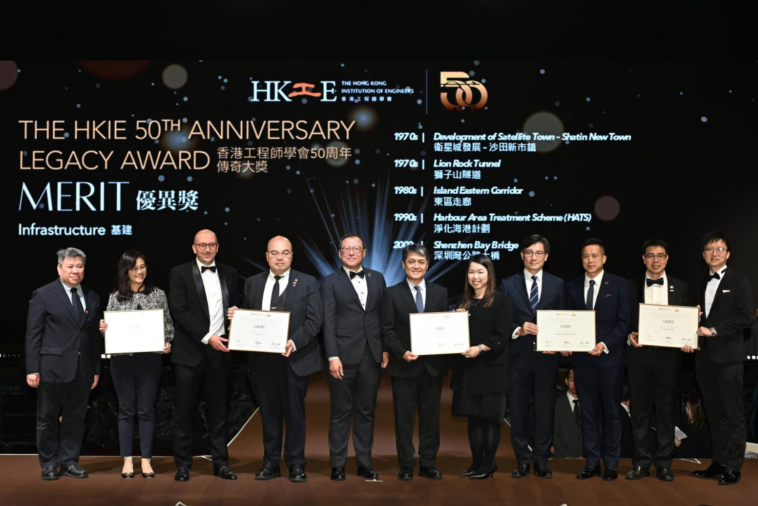
One of the clearest examples was the HKIE 50th Anniversary Legacy Award. Rather than creating an award around achievements from a single year, HKIE looked across five decades of engineering work. Its accompanying “Engineering Legacy: 50 Years of Excellence” exhibition showcased 19 Grand Award-winning projects across industrial, infrastructure and innovation categories, with three receiving the highest Legacy Award. The exhibition then moved beyond the original anniversary dinner into public venues in Hong Kong and eventually Beijing.
That decision changed the role of the anniversary. Instead of simply telling members that the Institution had existed for 50 years, HKIE created a visible record of what those 50 years had produced. For associations, this is an important distinction. Institutional history becomes more valuable when members and the wider public can see the achievements, ideas and contributions that explain why the organisation has remained relevant.
But HKIE did not limit the anniversary to preserving the past. Its “Together we RISE” Carnival placed the Legacy Award exhibition alongside more than 40 interactive engineering and technology booths and the results of a school competition focused on sustainable cities. Students and families were therefore encountering the profession’s past achievements while younger participants were being invited to imagine what its future could look like. HKIE reported that more than 40,000 members of the public attended the two-day Carnival.
The timing also coincided with institutional change within HKIE itself. During its 50th anniversary period, Ir Alice Chow became the Institution’s first female President. HKIE presented her presidency alongside priorities including innovation, sustainability, greater diversity and attracting younger talent into engineering. The anniversary therefore became more than an exercise in nostalgia: it provided a moment to recognise where the Institution had come from while signalling how the organisation and profession were continuing to evolve.
There is a practical lesson here for associations approaching their own major milestones. An anniversary already creates attention from members, former leaders, partners and the wider community. That attention can be used for more than celebration. Associations can identify achievements that deserve to become part of their institutional record, bring those stories to audiences outside their existing membership, involve younger generations and use the milestone to communicate what the organisation wants its next chapter to represent.
HKIE’s approach also extended the value of its anniversary beyond a single event. The Legacy Award became an exhibition, the exhibition travelled to different locations, the Carnival opened the profession to the public, and the school competition created a direct connection with younger audiences. In other words, the anniversary produced activities that could continue creating visibility and engagement after the formal celebration had passed.