

Associations Commons

16 January 2026

Preparing Talent for an AI-Shaped Job Market

A World Economic Forum dialogue in late 2025 brought business leaders together to confront a central question: how leadership decisions today will shape work, skills and value creation in an AI-driven economy. In 2025, the World Economic Forum convened the second edition of its Scenarios for the Global Economy Dialogue Series, focused on Four Futures for Jobs in the New Economy: AI and Talent 2030. The initiative responds to mounting pressure on organizations to adapt as artificial intelligence moves rapidly from experimentation into the core of operations, reshaping jobs faster than workforce systems can traditionally respond. Rather than offering predictions, […]

16 January 2026

Rethinking Event Strategy for a Fragmented World

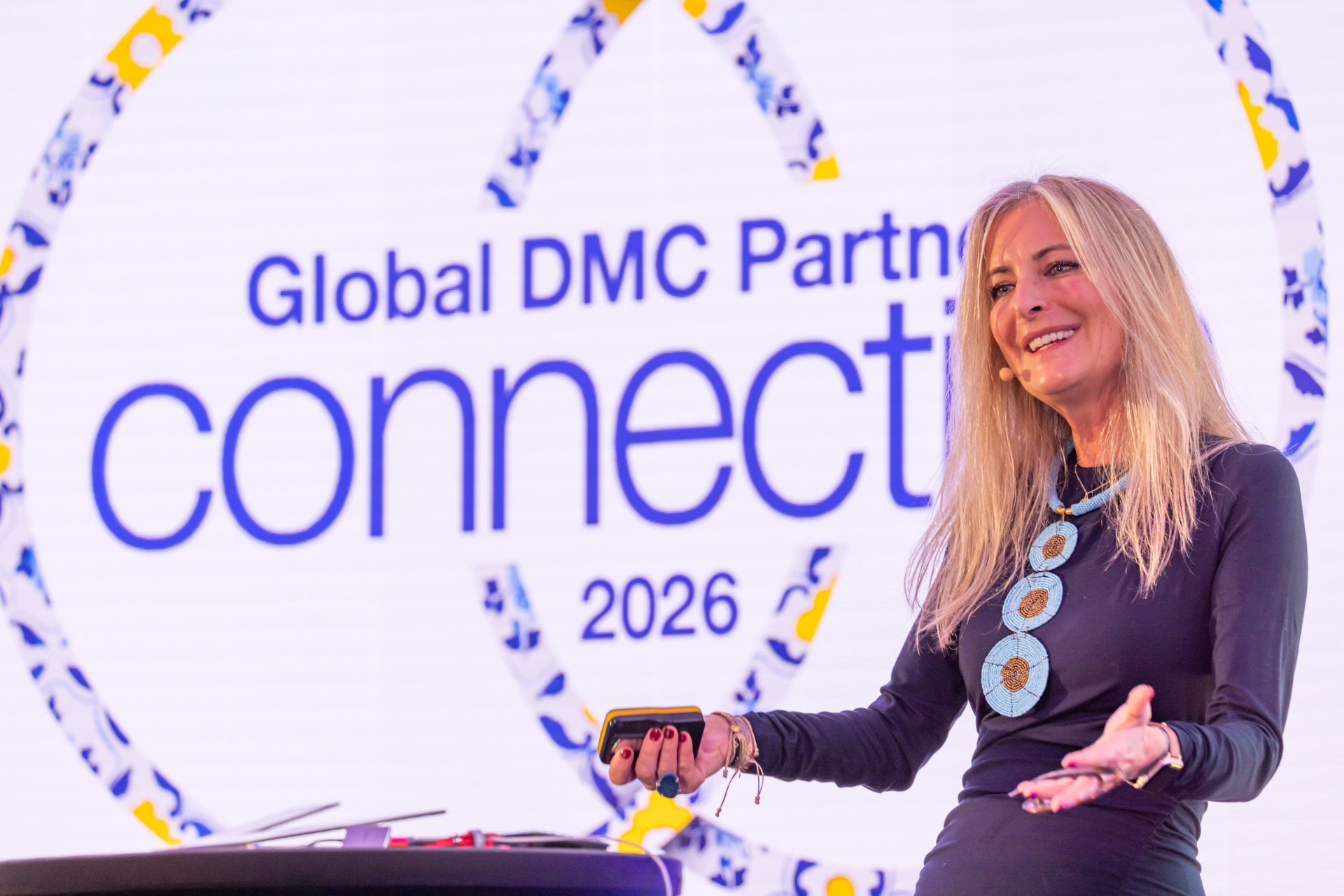
At Global DMC Partners’ Connection 2026 in Lisbon, industry leaders argued that in an unstable world, meetings and incentives are no longer optional extras but strategic assets. In January 2026, the Global DMC Partners convened its annual Connection event in Lisbon, bringing together global planners and partners at a moment of heightened economic and geopolitical uncertainty. The event was shaped by a shared concern: how to future-proof meetings, incentives, conferences and exhibitions as inflation, visa constraints and AI disruption collide with rising demand for in-person engagement. Opening the programme, Catherine Chaulet, President and CEO of Global DMC Partners, framed the […]

16 January 2026

Why Talent Density, Not Star Hires, Determines AI Advantage

An interview with Harvard Business School professor Boris Groysberg in January 2026 challenges a prevailing assumption of the AI era: that hiring elite talent alone is enough to win. In January 2026, Harvard Business School’s Working Knowledge published an interview with Boris Groysberg, exploring how organizations are responding to intense competition for artificial intelligence talent. The discussion comes at a moment when companies across sectors are paying unprecedented sums to recruit AI specialists, under pressure from investors and boards to signal competitiveness in a rapidly shifting landscape. Groysberg’s central argument is that the real differentiator is not individual brilliance, but […]

16 January 2026

The Importance of Gender-Balanced Leadership in Uncertain Times

As volatility reshapes global decision-making, new evidence from the World Economic Forum shows why gender-balanced leadership is becoming a core governance requirement—not a diversity aspiration. In January 2026, discussions linked to the World Economic Forum Annual Meeting focused on a growing governance concern: women’s representation in senior leadership is stalling at a time when organisations face unprecedented uncertainty. Drawing on insights from the World Economic Forum, LinkedIn Economic Graph Research Institute, and global leadership studies, the article positions leadership balance as a resilience issue rather than a social objective. The context is challenging. Business and policy leaders are operating amid […]

16 January 2026

How Leadership Expectations Are Shifting in 2026

London Business School faculty argue that 2026 leadership will be won through presence, curiosity, and follow-through—especially as AI, wellbeing pressures, and contested sustainability debates reshape what teams expect from those in charge. The London Business School article What you need to do differently as a leader in 2026 (22 December 2025) brings together guidance from Amy Bradley, Kathleen O’Connor, Selin Kesebir, Randall S Peterson, Ioannis Ioannou, Nicos Savva, and Dan Cable on leading through uncertainty without defaulting to tired slogans. A recurring pressure point is disconnection: Bradley cites data from 389 work teams suggesting that in one in four teams, […]

15 January 2026

Governing for the Long Term: Leadership Choices in Sydney

Senior association leaders meeting in Sydney in May 2025 examined how governance, partnerships, and engagement models must evolve as relevance, trust, and long-term impact come under increasing pressure. When the World Organisation of Family Doctors (WONCA) worked with Sydney on a recent congress, the collaboration extended well beyond venue planning. According to CEO Harris Lygidakis, the partnership enabled the organisation to formalise sustainability policies for its events, introduce a visible “Green Day,” and broaden participation through bursaries that supported delegates from low- and middle-income countries. For association leaders, it was a concrete example of how destination partnerships can influence governance […]

15 January 2026

Why CEO Succession Planning Has Become a Governance Priority for Associations

Analysis from Boardroom and Brussels-based law firm Kadrant argues that CEO succession planning has moved from a procedural afterthought to a core governance responsibility for associations facing rising leadership turnover. Leadership transitions are among the most consequential moments in an association’s lifecycle, yet many organisations remain underprepared when a chief executive departs. That gap was the focus of “The Association CEO Succession: Why Planning is Essential,” published on 7 March 2025 by Boardroom in collaboration with Kadrant, a Brussels-based law firm specialising in corporate, regulatory, and not-for-profit matters. The analysis draws attention to a persistent governance weakness: the absence of […]

16 January 2026

Six Strategy Shifts Leaders Can’t Ignore in 2026

As geopolitical tension, AI adoption, and cultural polarization converge, new analysis from IESE Business School outlines the strategic pressures leaders must prepare for in 2026—and the choices that will define organizational resilience. Why now? Entering 2026, business leaders are operating in an environment where growth persists, but the foundations beneath it are increasingly unstable. In January 2026, IESE Business School published a synthesis of insights from its professors and international experts, responding to a shared concern: familiar playbooks are no longer sufficient in a world shaped by geopolitical fragmentation and accelerating technology. The analysis points to continued global expansion, with […]

16 January 2026

Building AI-Fluent Leaders Beyond the IT Team

As AI tools spread faster than organisations can absorb them, a December 2025 McKinsey article argues the bottleneck is leadership: organisations need more “domain owners” who can translate business priorities into tech delivery and adoption. In Building the AI muscle of your business leaders (published online in December 2025), McKinsey authors Dana Maor, Eric Lamarre, and Kate Smaje make a simple point: scaling AI is less about access to tools and more about having enough leaders who can connect business problems to what technology can realistically deliver. Their focus is on “domain owners”—senior leaders who run a business line or […]

16 January 2026

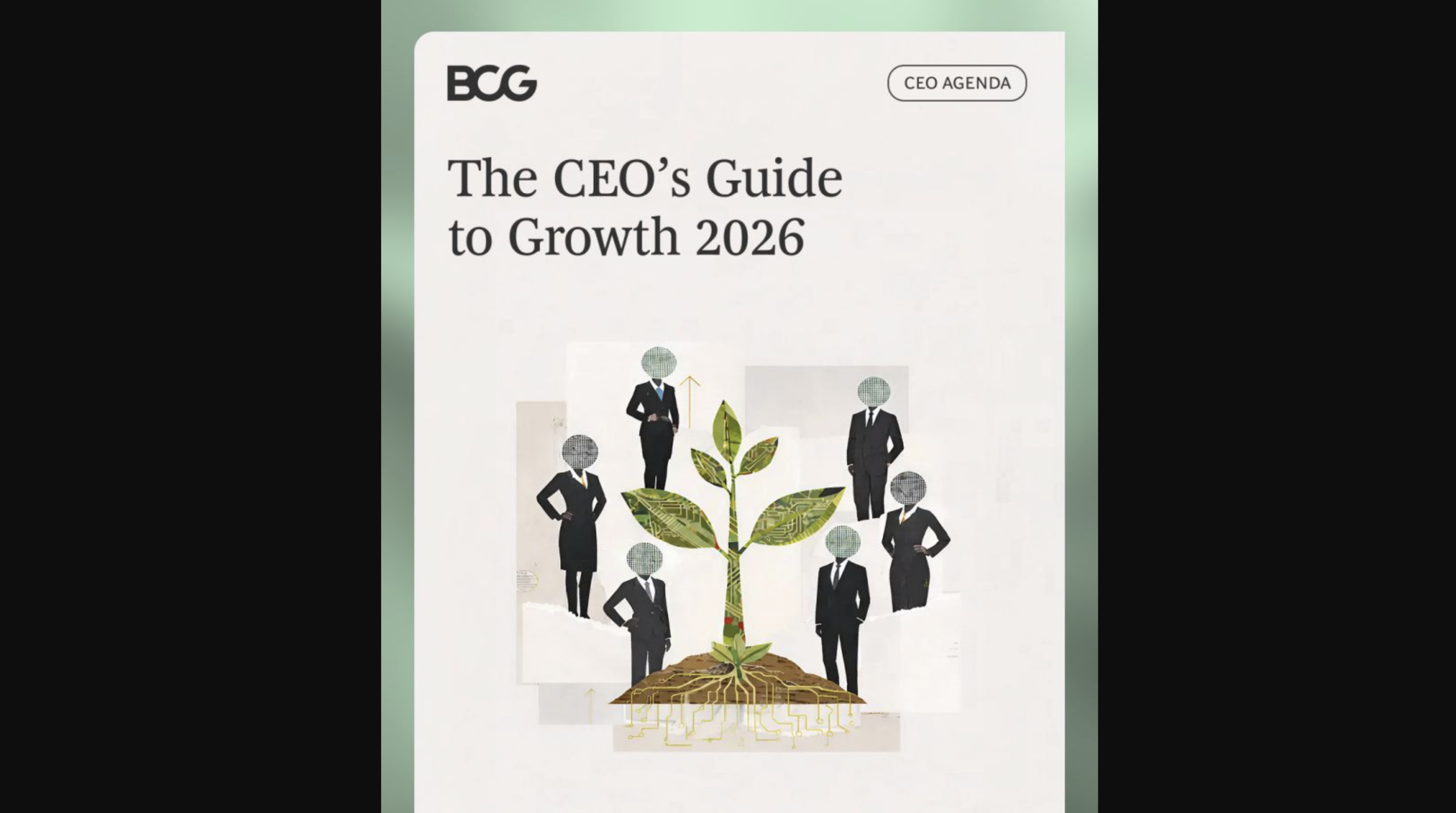
The CEO’s Growth Playbook for 2026

After two years of defensive decision-making, new guidance from Boston Consulting Group shows why CEOs are pivoting back to growth in 2026—and how disciplined ambition is becoming a strategic necessity. After months of trade disruption, inflation pressure, and constrained capital, CEOs are resetting their agendas. In late 2025, earnings calls across global markets began to signal a shift: references to top-line growth rose sharply, particularly among European companies. This renewed focus on expansion sits at the heart of The CEO’s Guide to Growth in 2026, published by Boston Consulting Group, which responds to a clear pressure facing leaders—how to grow […]

16 January 2026

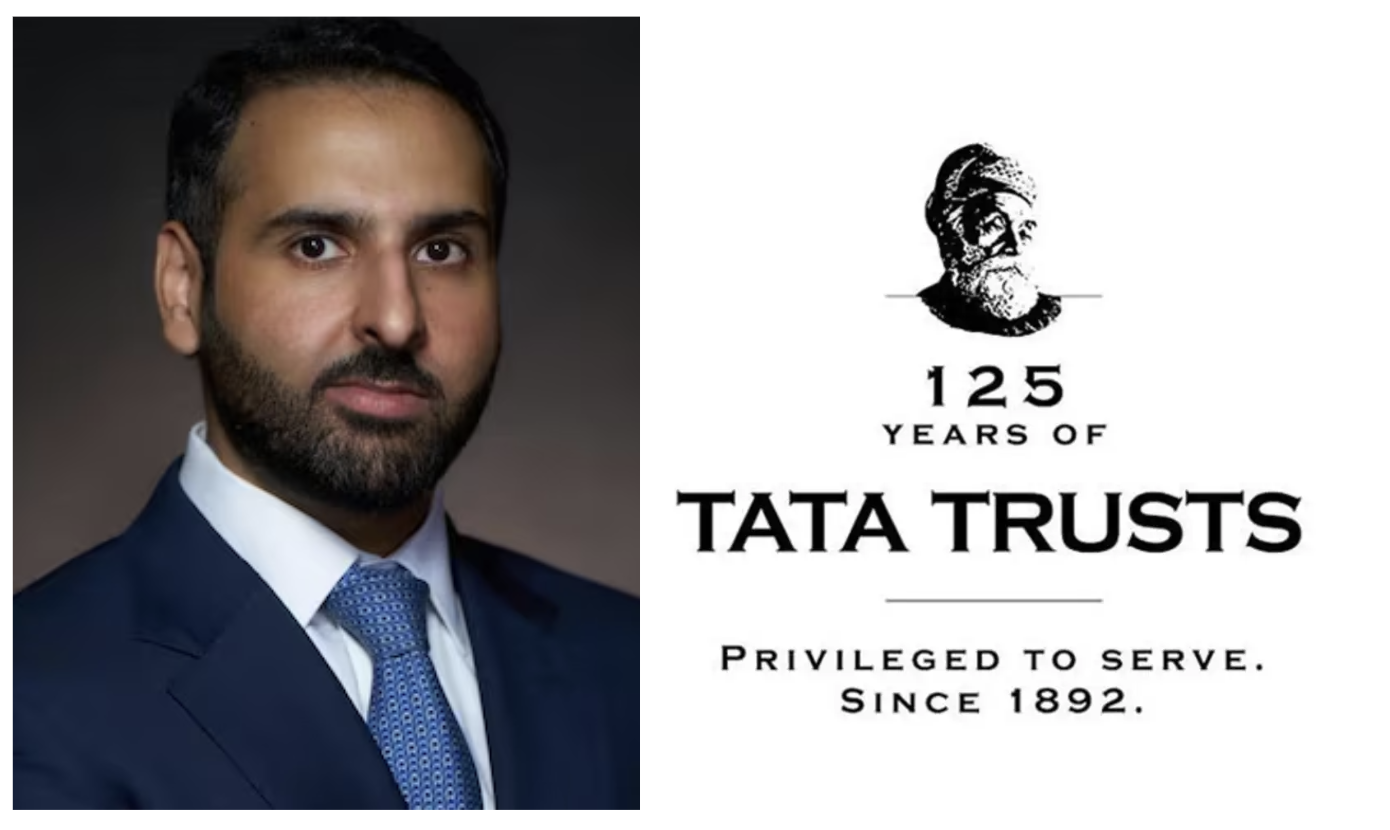
Neville Tata’s Induction Signals Governance Evolution at Tata Trusts

Neville Tata’s induction into the Sir Ratan Tata Trust board in January 2026 reflects a carefully paced generational shift within one of India’s most influential philanthropic institutions. A measured generational transition is unfolding within Tata Trusts, following the induction of Neville Tata into the board of the Sir Ratan Tata Trust on 17 January 2026. The appointment, reported by journalist Samar Srivastava in January 2026, comes at a time when governance evolution is becoming more visible across the Tata philanthropic ecosystem. The Sir Ratan Tata Trust is one of the two principal trusts that together hold a controlling stake of […]

16 January 2026

Board Oversight in 2026: Shifts Directors Can’t Ignore

A January 2026 analysis from PwC points to a year in which boards face intensifying pressure to rethink engagement, oversight, and leadership continuity as regulation, technology, and capital markets continue to shift. As 2026 opens, boards are operating in a business environment marked by uneven economic signals, persistent geopolitical tension, and rapid technological change. In “2026 Corporate Governance Trends to Watch,” published in January 2026, PwC outlines how these conditions are reshaping board agendas and expectations for director oversight. One recurring theme is the changing nature of shareholder engagement. Regulatory developments in the United States, shifts in proxy advisory practices, […]

Scroll to Top