
Event Overview
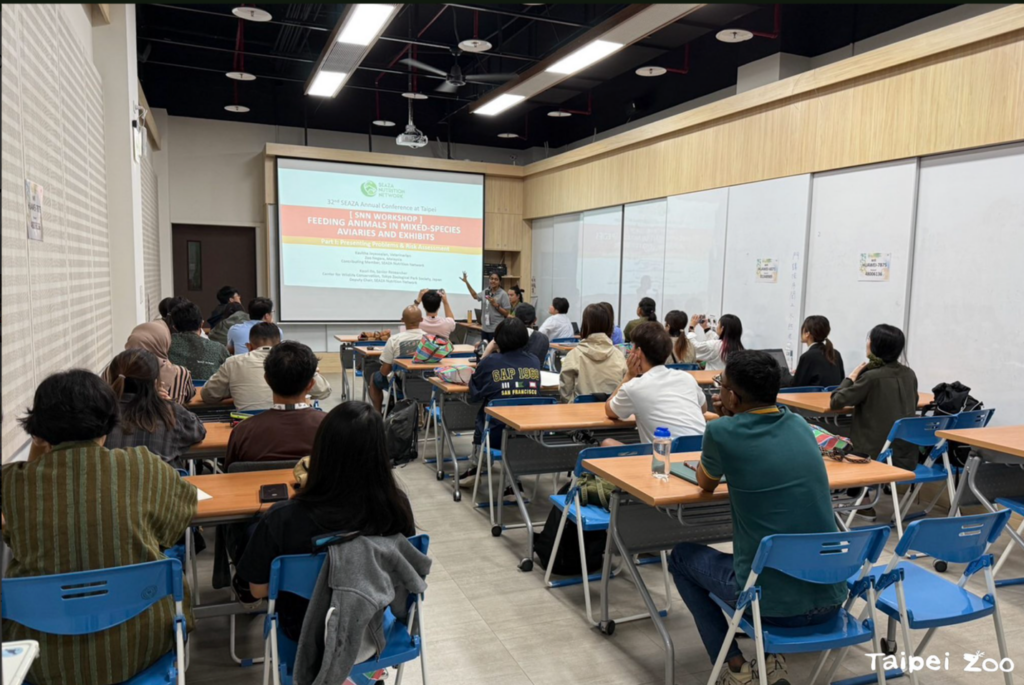
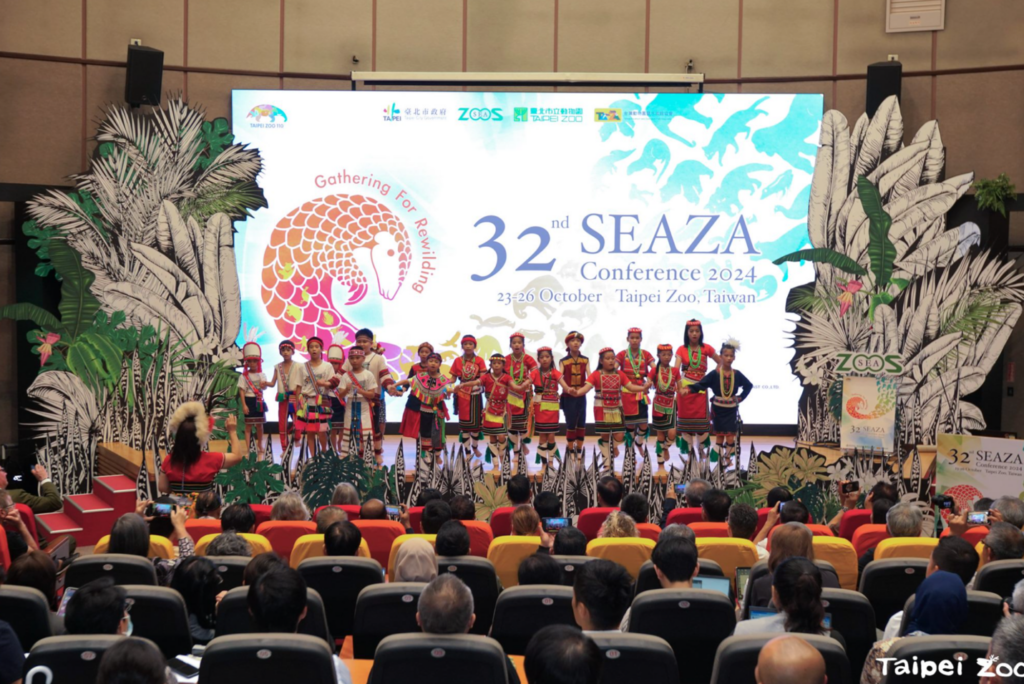
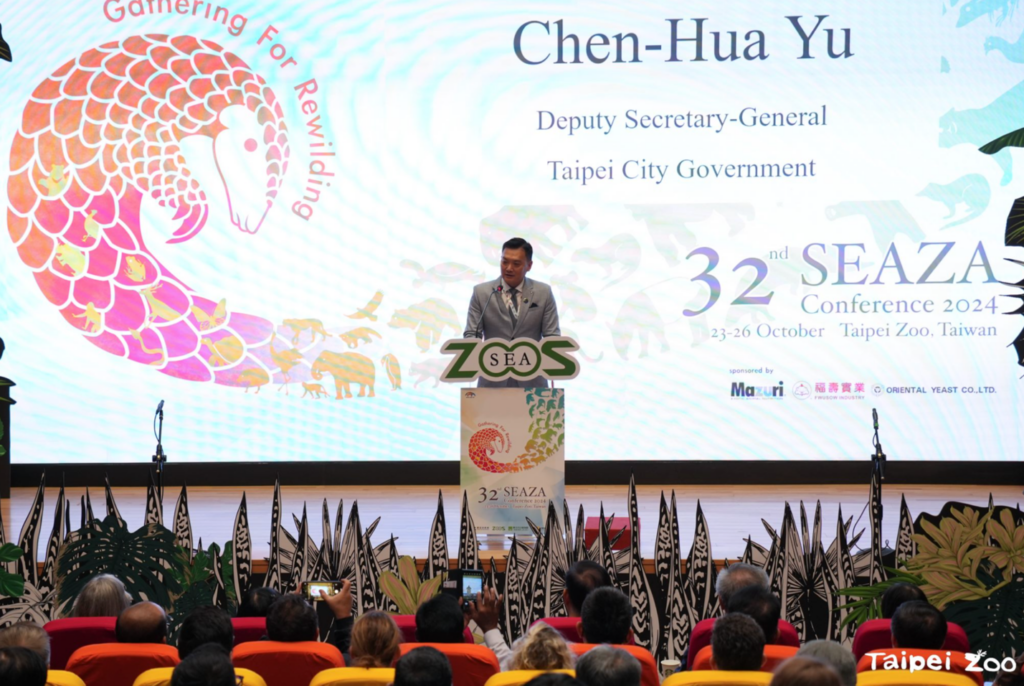
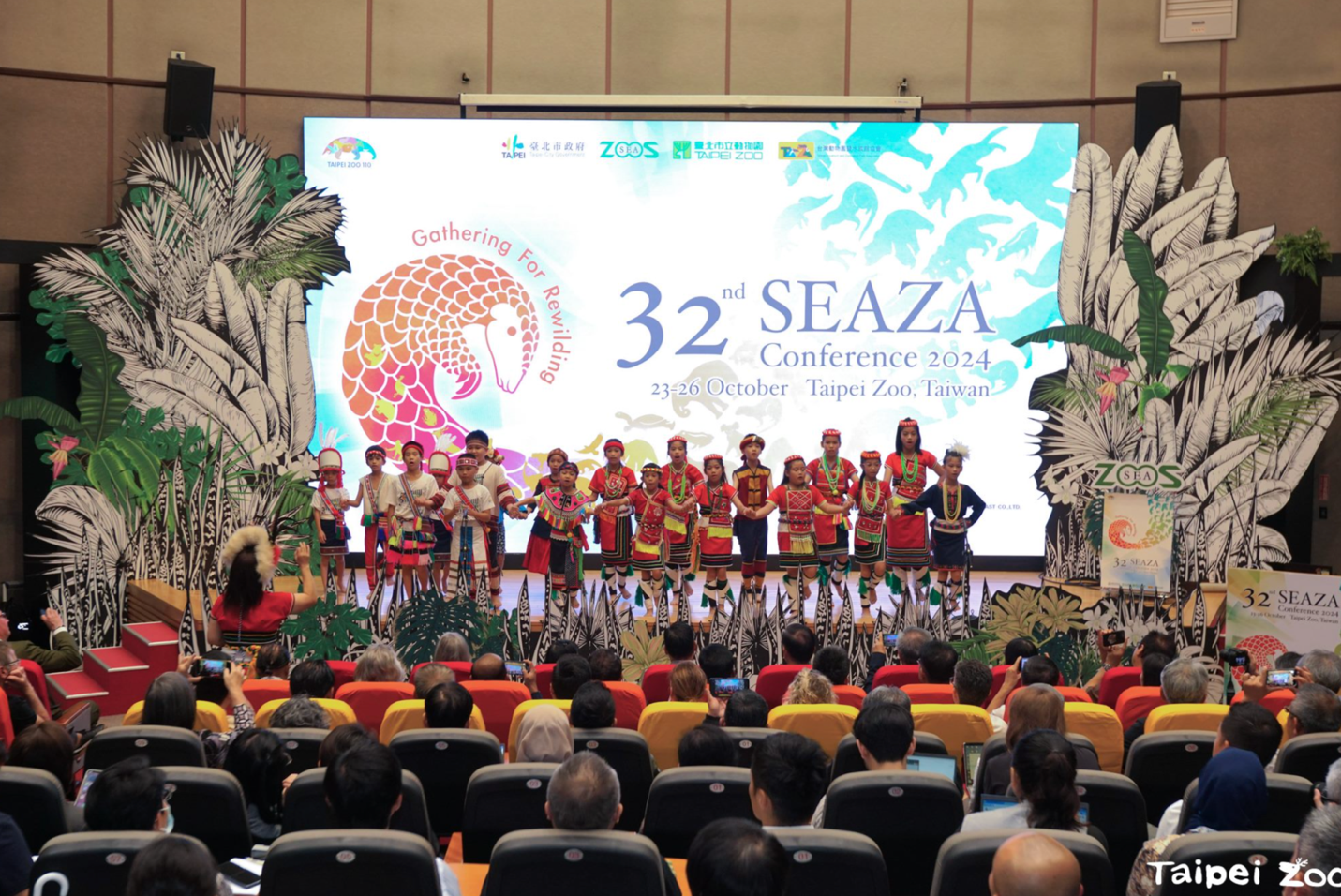
Hosted by the Southeast Asian Zoos and Aquariums Association (SEAZA), the 2024 Animal Welfare & Conservation Workshop gathered zookeepers, conservationists, and regional wildlife authorities to advance ESG-aligned practices in zoo management. As a network of 50+ Southeast Asian institutions, SEAZA focused on merging animal welfare, habitat protection, and community engagement—positioning zoos as leaders in biodiversity conservation and ethical wildlife care. The workshop highlighted how ESG principles (environmental stewardship, social impact, governance) are redefining the role of zoos in the region.
Environmental Impact: Habitat Restoration & Biodiversity Protection
The workshop’s environmental focus centered on “zoo-based conservation”: sessions covered captive breeding programs for endangered species (e.g., Sumatran tigers, Javan rhinos), habitat restoration initiatives (e.g., reforestation projects linked to zoo education programs), and reducing zoos’ operational footprints (e.g., solar power adoption, water recycling systems). Experts emphasized how zoos can act as “biodiversity hubs” to support regional ecosystem recovery, aligning with Southeast Asia’s 2030 biodiversity targets.
Social Responsibility: Community Education & Local Engagement
Social impact sessions focused on empowering local communities: SEAZA members shared models for community-led wildlife protection (e.g., training villagers as “wildlife guardians” near zoo reserves) and inclusive education programs (e.g., free zoo access for rural schools to teach conservation literacy). The workshop also addressed equitable employment practices in zoos, such as hiring local staff for conservation roles and supporting fair wages—strengthening social trust between institutions and surrounding communities.
Governance: Welfare Standards & Transparent Reporting
Governance discussions focused on SEAZA’s new Animal Welfare Certification Framework: participants learned to implement standardized welfare audits (e.g., enclosure design, animal health monitoring) and disclose conservation outcomes (e.g., number of species reintroduced to the wild) to stakeholders. Speakers also covered compliance with international wildlife regulations (e.g., CITES) and ethical fundraising practices for conservation projects—ensuring zoos operate with accountability and integrity.
Looking Ahead: Zoos as ESG Leaders in Conservation
The 2024 workshop demonstrated that zoos are evolving from “exhibition spaces” to ESG-driven conservation institutions. By integrating environmental restoration, social inclusion, and robust governance, SEAZA is guiding Southeast Asian zoos to drive meaningful biodiversity and community impact. The event reinforced that ethical zoo management requires long-term commitment to both animal welfare and regional sustainability.