

International Strata Conference 2025
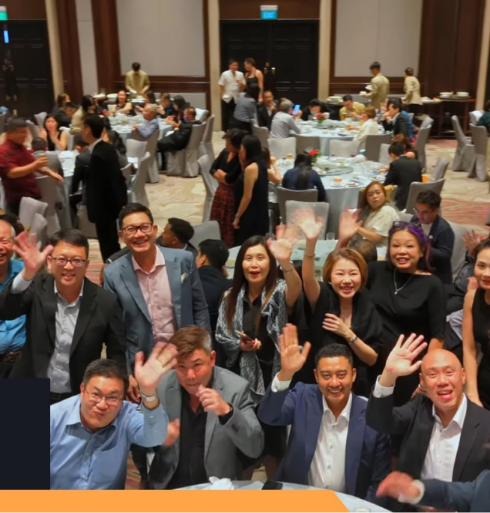
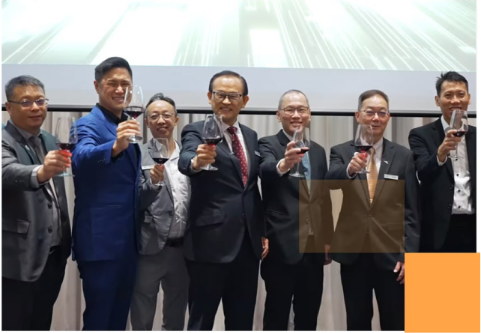
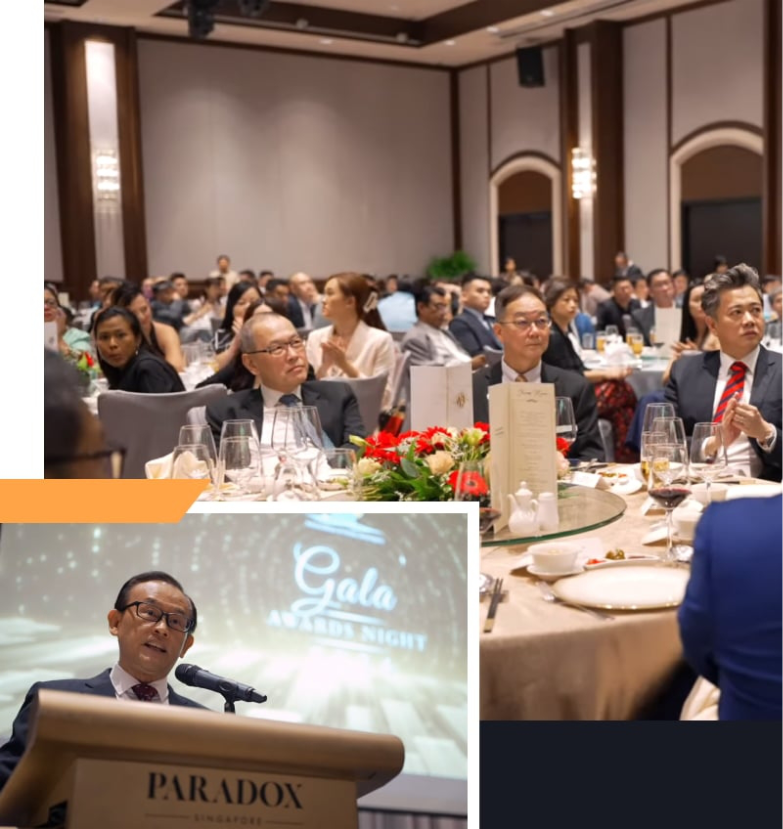
The International Strata Conference 2025, organised by the Association of Strata Managers (ASM) in Singapore, is a major event focused on improving the sustainability, resilience, and governance of strata-titled buildings. As urban populations grow and residential communities become more complex, strata managers play a key role in shaping how environmental responsibility, social wellbeing, and ethical governance are practised in multi-owner properties. This conference brought together strata managers, policymakers, sustainability experts, legal professionals, and building technology providers to explore how ESG principles can be integrated into modern building and community management.
The conference highlighted that strata living is no longer only about maintenance and administration—it is about managing a shared environment responsibly and ethically. Sessions covered a wide range of topics including energy-efficient building upgrades, green certifications, resident engagement, safety and security systems, community conflict resolution, and transparent governance practices. Through panel discussions and case studies, the event demonstrated how ESG frameworks can support healthier, safer, and more sustainable living environments.
Environmental Impact: Improving Building Performance and Resource Efficiency
A major focus of the conference was how strata communities can reduce their environmental footprint through smart building upgrades and sustainable operations. Speakers discussed the adoption of energy-saving systems, solar panels, waste reduction initiatives, and water efficiency measures in residential and mixed-use buildings. The event highlighted that environmental improvements do not always require large investments; even small actions such as LED retrofits, smart meters, and improved ventilation systems can significantly reduce energy use. By promoting green buildings and sustainable facility management, the conference reinforced the role of strata managers in supporting national climate goals.
Social Impact: Building Stronger, Healthier, and Inclusive Communities
The conference also explored the social dimension of ESG, emphasising the importance of creating safe, healthy, and supportive community environments. Sessions addressed resident wellbeing, mental health considerations in shared living, neighbour relationships, and inclusive amenities for seniors and people with disabilities. Discussions highlighted the need for transparent communication and meaningful resident engagement to build trust and encourage participation in community decisions. The focus on social cohesion and community resilience demonstrated how strata management directly affects the daily lives of residents and contributes to long-term social sustainability.
Governance: Strengthening Transparency, Accountability, and Ethical Management
Governance was a central theme throughout the conference. Topics included compliance with strata laws, financial transparency, responsible decision-making, and the role of digital tools in improving administrative efficiency. Experts discussed best practices for managing sinking funds, procurement processes, dispute resolution, and risk management. The conference also emphasised the importance of ethical leadership among management councils and strata managers. ASM’s ongoing role in setting professional standards and providing training supports stronger governance structures across the strata industry. These efforts help ensure that communities are managed fairly, responsibly, and in the best interest of all owners and residents.
Looking Ahead: ESG as the Future of Strata Management
The International Strata Conference 2025 reinforced that ESG principles are essential for the future of shared living. By integrating environmental upgrades, community wellbeing, and transparent governance practices, strata managers can create safer, greener, and more harmonious communities. The event shows that applying ESG in building management is not only a technical requirement but a meaningful step toward improving quality of life and long-term sustainability for strata residents.