

Cool, Green Streets Workshop & AILA SUN End-of-Year Networking
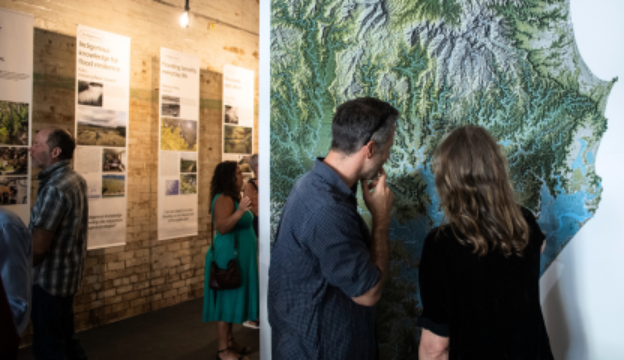
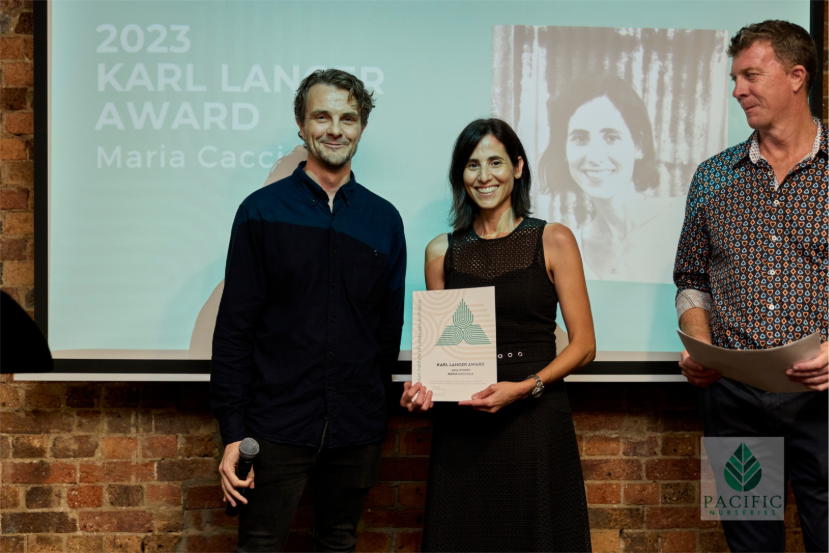
The Cool, Green Streets Workshop & AILA SUN End-of-Year Networking, hosted by the Australian Institute of Landscape Architects (AILA), is one of the key annual events for landscape and urban design professionals. As a national body, AILA promotes nature-based solutions, green infrastructure, and healthy public environments. The event brought together landscape architects, urban planners, government officers, environmental researchers, and community partners to explore how design can strengthen city resilience and long-term sustainability. It showed how landscape architecture plays an important role in delivering ESG outcomes for Australian cities.
The workshop focused on climate-responsive design, including ways to reduce urban heat, improve biodiversity, and build greener, more comfortable neighbourhoods. Presentations covered tree canopy planning, water-sensitive design, ecological restoration, and community-led approaches to urban greening. Through real case studies and discussions, the event demonstrated that landscape architecture is not only about aesthetics—it is a practical tool for addressing climate change, improving public health, and creating safer and more inclusive public spaces.
Environmental Impact: Green Infrastructure for Resilient Cities
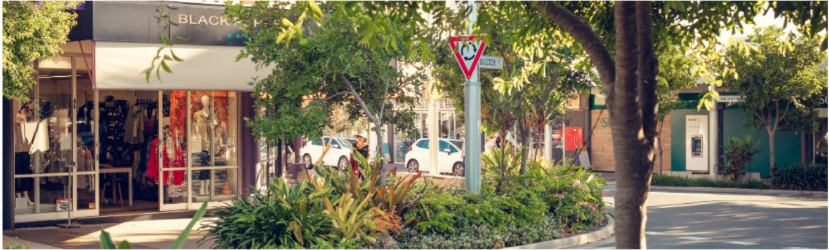
The event showed how nature-based design can help cities reduce heat, improve air quality, and strengthen ecosystems. Speakers shared examples of parks, green streets, restored waterways, and wildlife corridors that support climate adaptation. Green infrastructure also reduces carbon emissions by lowering energy use and improving stormwater management. These strategies help cities become more resilient to extreme weather and environmental risks. The workshop highlighted that environmental sustainability can be achieved through thoughtful planning and the integration of natural systems into daily urban life.
Social Impact: Creating Healthy, Inclusive Urban Spaces
The workshop highlighted the strong social value of landscape design. Green and walkable places support physical and mental wellbeing, encourage social interaction, and improve overall community health. The event discussed the importance of designing public spaces that are safe, accessible, and welcoming for children, older adults, and people with disabilities. Community engagement was also emphasised, showing how involving residents leads to spaces that reflect local needs and cultural identity. The social dimension of ESG was clearly demonstrated through the focus on fairness, wellbeing, and inclusion.
Governance: Standards, Policy and Collaboration
From a governance perspective, AILA promotes professional standards, clear design guidelines, and policy advocacy. The event included discussions on regulatory support for green infrastructure, the role of local governments in ecological planning, and the importance of collaboration across sectors. Successful landscape projects require coordinated effort from planners, designers, policymakers, and communities. AILA’s role in industry training, accreditation, and policy development ensures that governance remains strong and that landscape design contributes to transparent and responsible decision-making.
Looking Ahead: Nature-Based Design as a Pathway to Sustainable Cities
The workshop delivered a clear message: the future of cities must be green, inclusive, and resilient. By integrating ESG principles into landscape design, AILA is helping Australian cities move toward healthier, safer, and more sustainable futures. The event showed that landscape architecture is not only a design practice but also a powerful driver of ESG transformation for urban development.