

Australian Logistics Supply Chain Summit 2025 speech at Dalton House Sydney
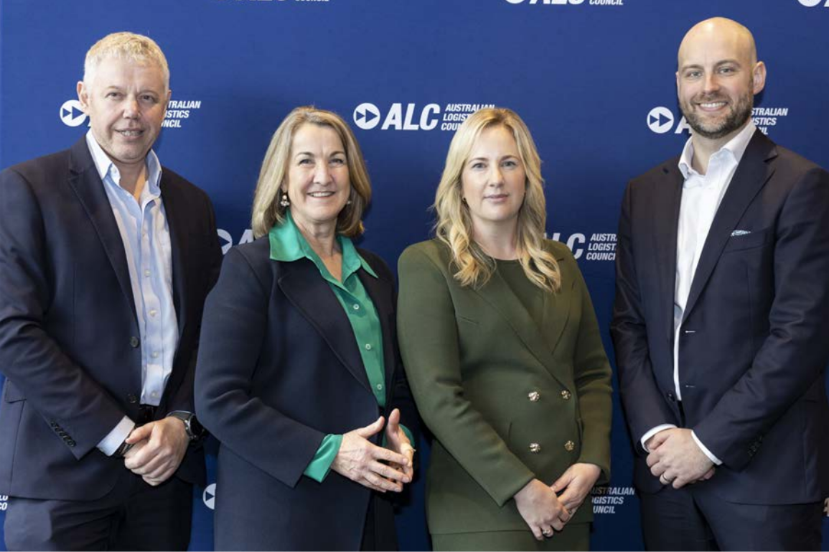
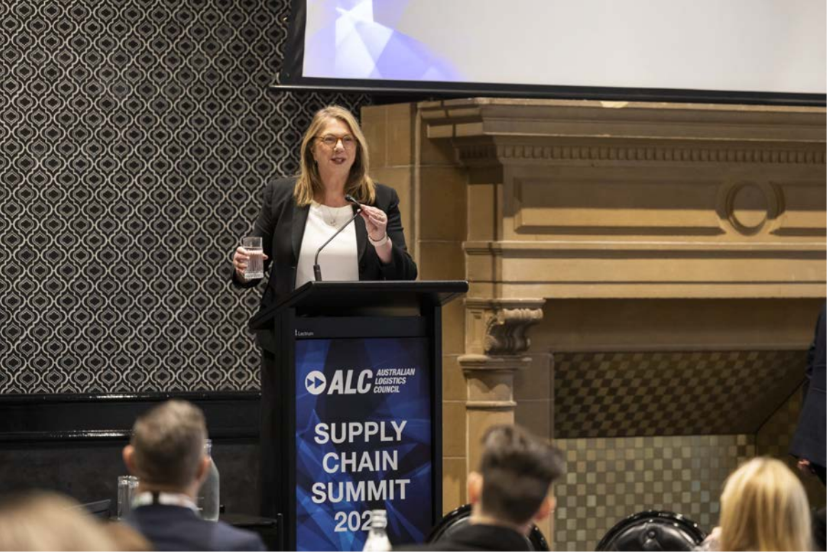
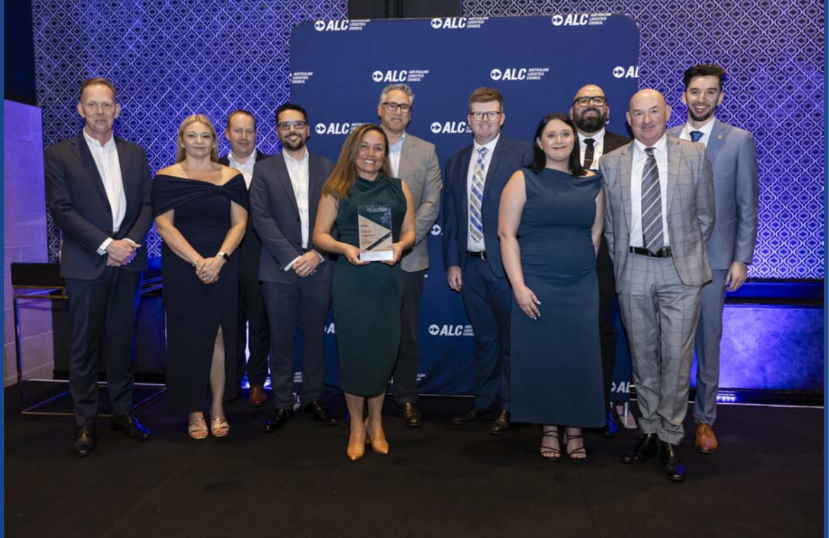
The Australian Logistics & Supply Chain Summit 2025 was held at Dalton House in Sydney and organised by the Australian Logistics Council (ALC). As one of the most influential organisations representing Australia’s transport, freight, warehousing, and infrastructure sectors, ALC plays a central role in improving national safety standards, industry efficiency, sustainability practices, and governance frameworks. The summit brought together government ministers, industry leaders, transport companies, port and rail operators, technology firms, and supply chain specialists. Discussions focused on national productivity, decarbonisation in the logistics sector, and building a more resilient supply chain for Australia. In her keynote speech, the Minister for Infrastructure and Transport, Catherine King, highlighted that logistics now sits at the intersection of economic growth and climate action. She emphasised that the performance of Australia’s supply chain system is directly tied to the nation’s ability to transition toward a sustainable future. This summit therefore served as a key platform for advancing ESG (Environmental, Social, and Governance) outcomes across the country’s logistics network.
Environmental Impact Through Decarbonisation and Innovation
The summit underlined the critical role of logistics in environmental sustainability. As transport is Australia’s third-largest source of emissions, the sector must rapidly decarbonise to meet national climate goals. The Minister outlined the government’s “Net Zero Transport Roadmap,” which includes expanding rail freight capacity to reduce dependence on road transport, accelerating the adoption of electric and hydrogen-powered heavy vehicles, improving the energy performance of ports and warehouses, and using digital technologies to reduce empty trips and fuel waste. Several companies showcased innovations such as hydrogen freight trials, smart transport optimisation systems, and low-carbon warehouse designs. These examples demonstrate how the sector is seeking solutions that balance emissions reduction with economic efficiency. The summit made clear that decarbonisation is not only about environmental responsibility—it is also essential for future competitiveness and long-term operational resilience.
Social Responsibility and a People-Centered Supply Chain
Another key message of the summit was the importance of logistics to social wellbeing. Speakers noted that Australia’s supply chains support the daily needs of communities by ensuring access to food, medicine, and essential goods. Any disruption to logistics can directly affect community stability and social equity. Therefore, industry leaders stressed the need to improve road safety, protect truck drivers and warehouse workers, and enhance transport access for remote and regional areas. Workforce development was also a major focus. The summit highlighted the importance of training future logistics professionals, increasing the participation of women in transport, and creating more inclusive pathways for young workers. These discussions reinforce that social responsibility in logistics is not only about moving goods, but also about supporting communities, improving employment opportunities, and strengthening public trust in the supply chain.
Governance Through Transparency, Standards, and Collaboration
Governance formed the third major pillar of the summit. Minister Catherine King stressed that transparency, standardisation, and digital integration are essential for building a modern and reliable supply chain. Participants discussed the development of a national freight data platform, which would help industry and government share information more effectively to reduce risks and improve response capacity during disruptions. The summit also addressed regulatory reforms to enhance transport safety, ensure fair competition, strengthen public-private partnerships (PPP), and improve corporate reporting on supply chain risks and emissions. Through industry guidelines, regulatory coordination, and stakeholder engagement, ALC is helping to build a governance system that is more transparent, accountable, and professional. Strong governance not only reduces operational risk but also builds confidence among investors, regulators, and the public.
Looking Ahead: ESG as the Pathway to a Resilient and Sustainable National Supply Chain
The 2025 summit delivered a clear message: ESG principles now shape the future of Australia’s logistics sector. By integrating innovation, environmental responsibility, social wellbeing, and governance reform, Australia is moving toward a greener, safer, and more resilient supply chain. ALC will continue to guide the nationwide transformation, supporting a logistics system that is low-carbon, transparent, and sustainable, and ensuring that supply chains remain a strong foundation for national prosperity and social stability.