

Driving Technological Advancement and Sustainable Transformation in India’s Textile Ecosystem
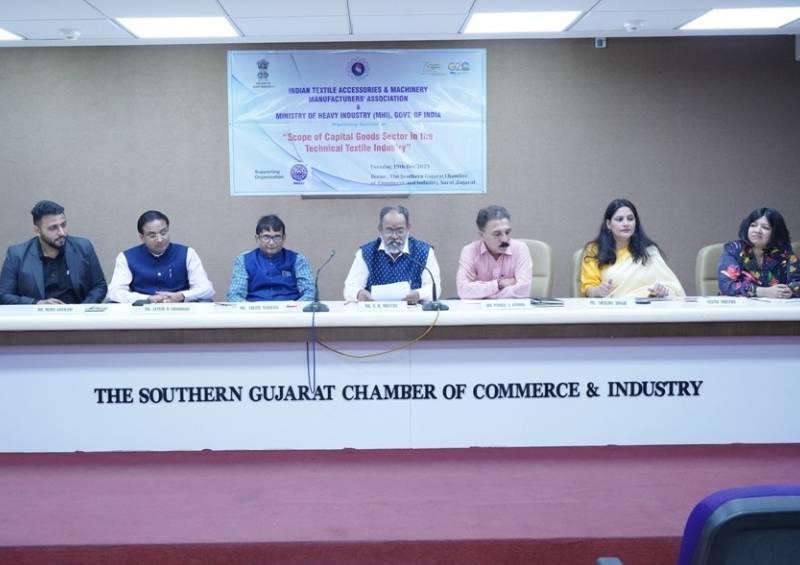
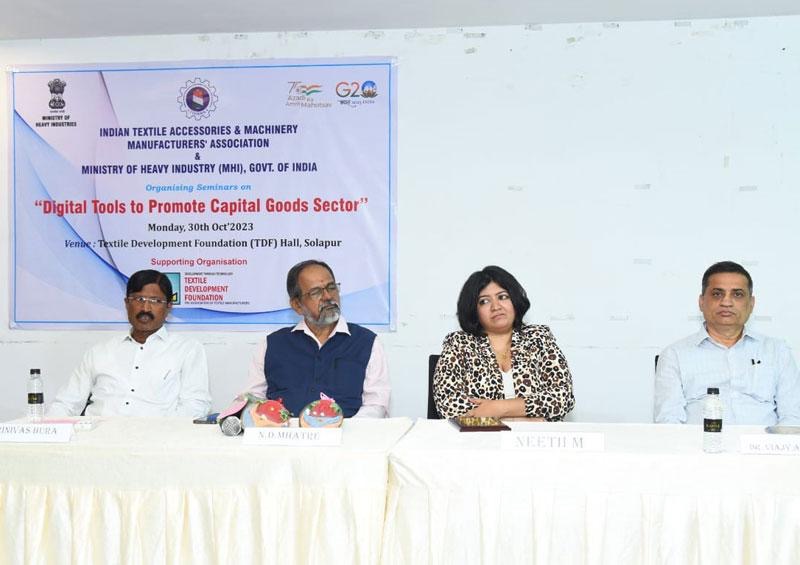
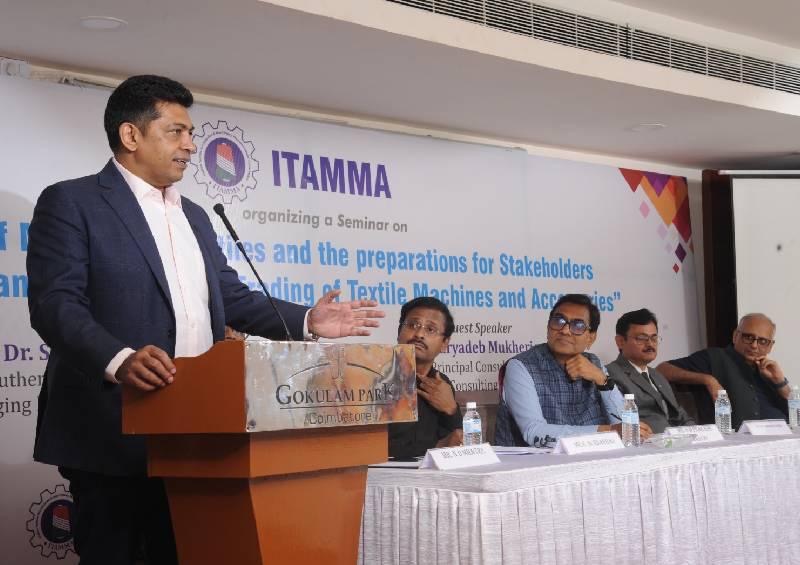
The Indian Textile Accessories & Machinery Manufacturers’ Association (ITAMMA) hosted its Textile Technology Seminar Series 2025 to address the rapid shifts occurring across the global textile value chain. Bringing together machinery manufacturers, textile mills, researchers, policymakers, and sustainability specialists, the series explored how innovation, digitalisation, and responsible production practices can reshape the competitiveness of India’s textile industry.
More than a technology forum, the seminar series served as a collaborative platform for rethinking textile manufacturing—placing efficiency, environmental responsibility, and advanced engineering at the centre of industry transformation.
Environmental Value Through Clean and Efficient Manufacturing Technologies
A key theme across the seminars was the acceleration of environmentally sustainable production. Experts presented advances in energy-efficient machinery, low-waste production systems, and water-saving processing technologies.
Sessions examined renewable-energy integration in textile operations, chemical-reduction techniques in dyeing and finishing, and digital systems that optimise resource use. Industry case studies highlighted how lifecycle assessments, green certification standards, and automation-driven efficiency contribute to lowering the sector’s environmental footprint. The series underscored that sustainability-oriented machinery innovation is now a defining factor in global textile competitiveness.
Social Impact Through Workforce Modernisation and Skill Development
The seminar series emphasised the human dimension of technological transformation. Discussions explored how digital tools, smart machinery, and automated systems are reshaping the skills required across textile factories.
Speakers highlighted the need for structured training programmes, upskilling for machine operators, and safety-focused workforce practices. Examples showcased how technology adoption can create higher-quality jobs, improve worker conditions, and support the participation of women and youth in modernised textile production. The seminars stressed that socially inclusive workforce development is essential for long-term industry resilience.
Governance and Standards for a Transparent, Globally Aligned Textile Sector
Governance and industry compliance were central topics, with sessions covering machinery safety standards, quality certification requirements, and updated regulatory expectations for sustainable manufacturing.
Participants examined how digital traceability systems, ethical supply-chain protocols, and compliance auditing contribute to improved industry transparency. Insights from policymakers and certification bodies highlighted the growing importance of adherence to global standards as international buyers increasingly demand verifiable environmental and social governance from textile producers.
Looking Ahead
The ITAMMA Textile Technology Seminar Series 2025 reinforced the industry’s commitment to future-ready manufacturing built on sustainability, innovation, and skilled human capital. By aligning environmental efficiency, social advancement, and strong governance frameworks, ITAMMA is supporting India’s textile ecosystem as it transitions toward higher value, cleaner production, and stronger global integration.