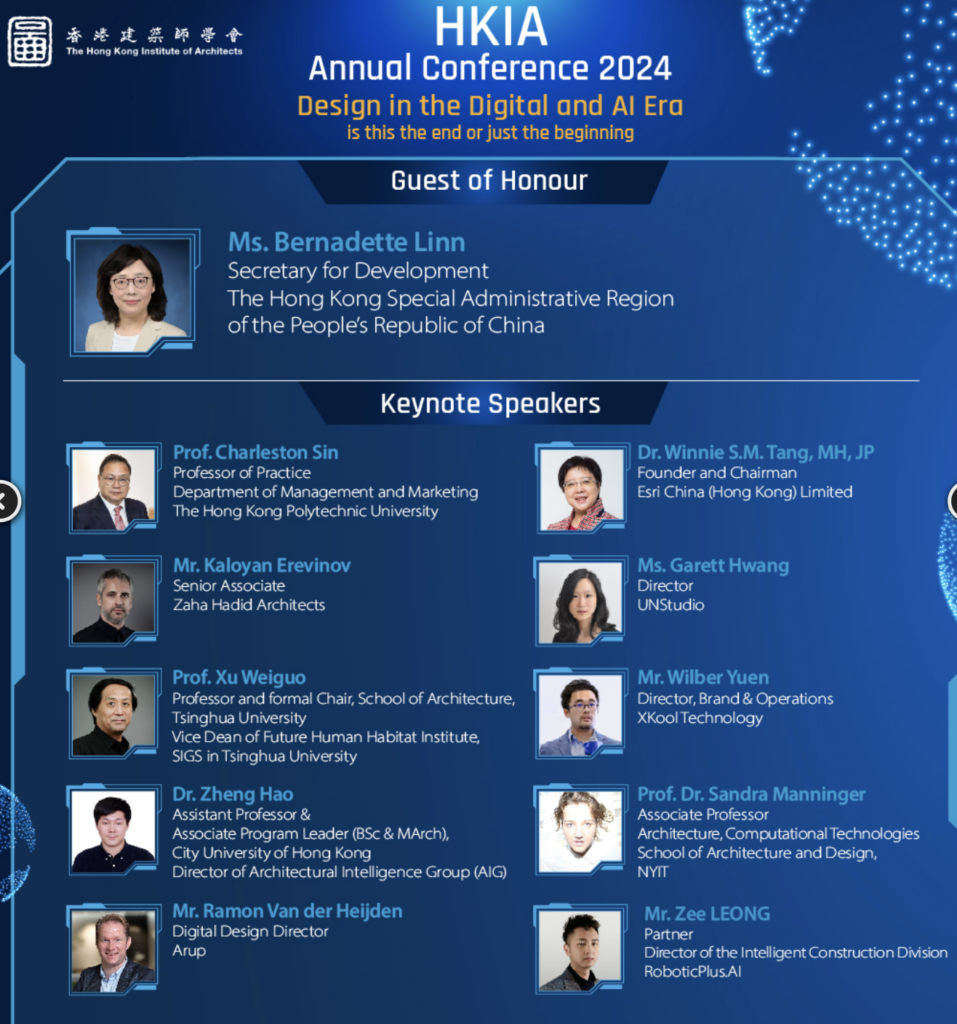


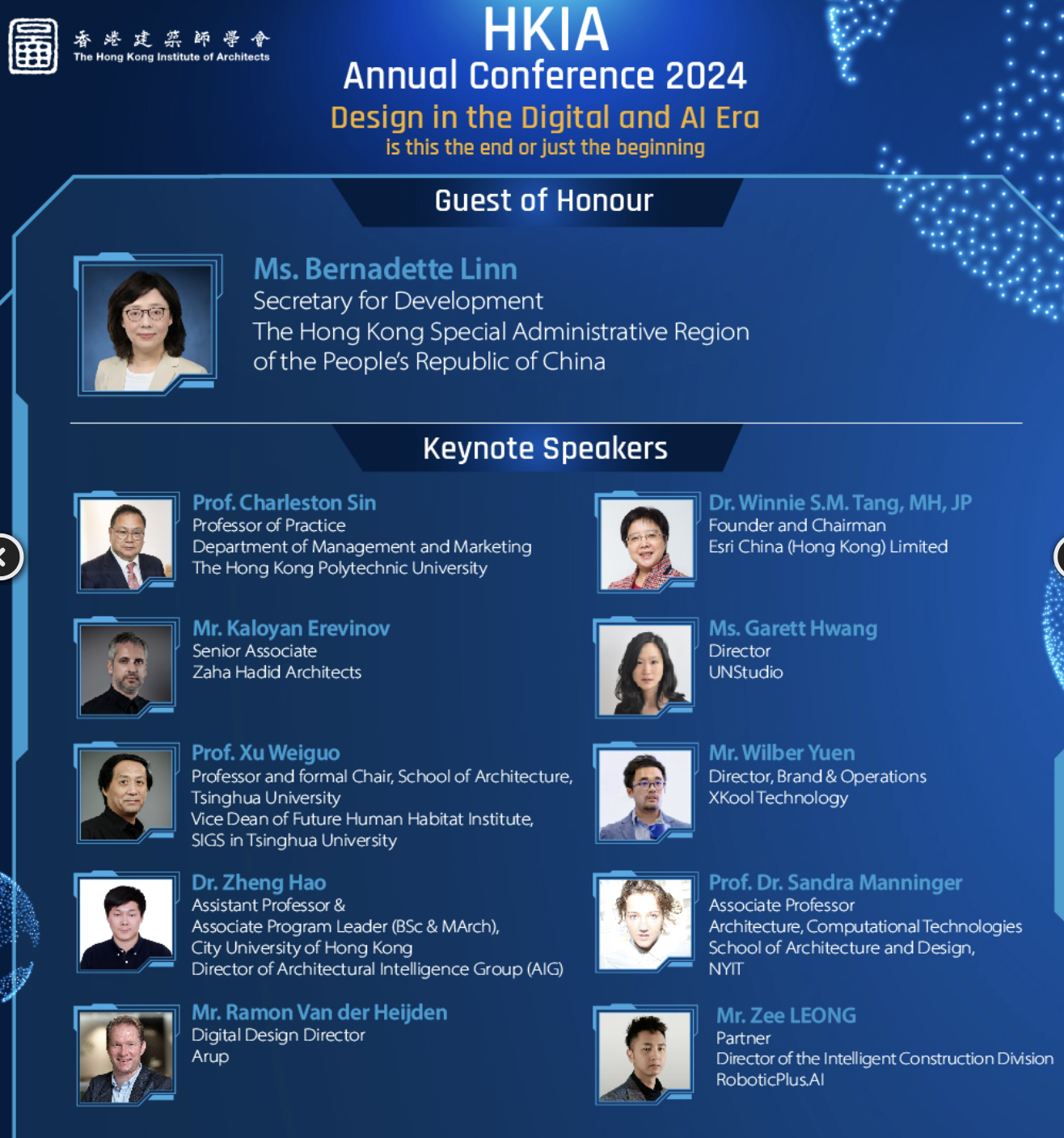
Event OverviewHosted by The Hong Kong Institute of Architects (HKIA), the 2024 Greater Bay Area (GBA) Sustainable Education Space Design Conference brought together architects, university planners, and sustainability consultants to explore ESG-aligned design for educational facilities. As Hong Kong’s leading architectural body, HKIA focused on merging functional campus design with environmental responsibility, social inclusion, and governance—positioning education spaces as catalysts for regional sustainability. The conference highlighted how ESG principles are reshaping architectural practice in the GBA.
Environmental Impact: Carbon-Neutral Campus DesignEnvironmental sessions centered on “net-zero education spaces”: experts shared case studies (e.g., Hong Kong University of Science and Technology [Guangzhou]’s carbon-neutral campus) covering passive design strategies (e.g., natural ventilation, solar shading), renewable energy integration (e.g., rooftop solar farms), and water recycling systems (e.g., rainwater harvesting for irrigation). Discussions also addressed material circularity—using recycled building materials and designing for disassembly to reduce construction waste, aligning with Hong Kong’s 2050 carbon neutrality goals.
Social Responsibility: Inclusive & Community-Focused SpacesSocial impact discussions focused on designing campuses that serve diverse communities: sessions covered accessible design for students with disabilities, multi-use spaces (e.g., campus auditoriums open to local residents), and green public areas (e.g., campus gardens as community education hubs for sustainability). HKIA also emphasized equitable design practices—engaging local communities in campus planning to ensure facilities meet the needs of both students and nearby residents.
Governance: Compliance & Transparent Sustainability ReportingGovernance sessions focused on aligning architectural projects with GBA sustainability regulations (e.g., Hong Kong’s Building Energy Code, Guangdong’s Green Building Standards) and international frameworks (e.g., LEED, BREEAM). Speakers stressed the need for architects to integrate ESG metrics into project reporting (e.g., carbon footprint, water use) and adopt ethical procurement practices (e.g., avoiding materials linked to deforestation). HKIA’s role in developing GBA-specific green design guidelines ensures members deliver compliant, accountable projects.
Looking Ahead: Educational Architecture as an ESG DriverThe 2024 conference demonstrated that educational spaces are more than learning facilities—they are platforms for ESG progress. By integrating environmental efficiency, social inclusion, and robust governance, HKIA is guiding GBA architects to create campuses that advance regional sustainability and community well-being. The event reinforced that architectural innovation must prioritize long-term ESG impact alongside functional design.
URL: https://www.hkia.net/en/whats-on/1/events/detail/46
Image: