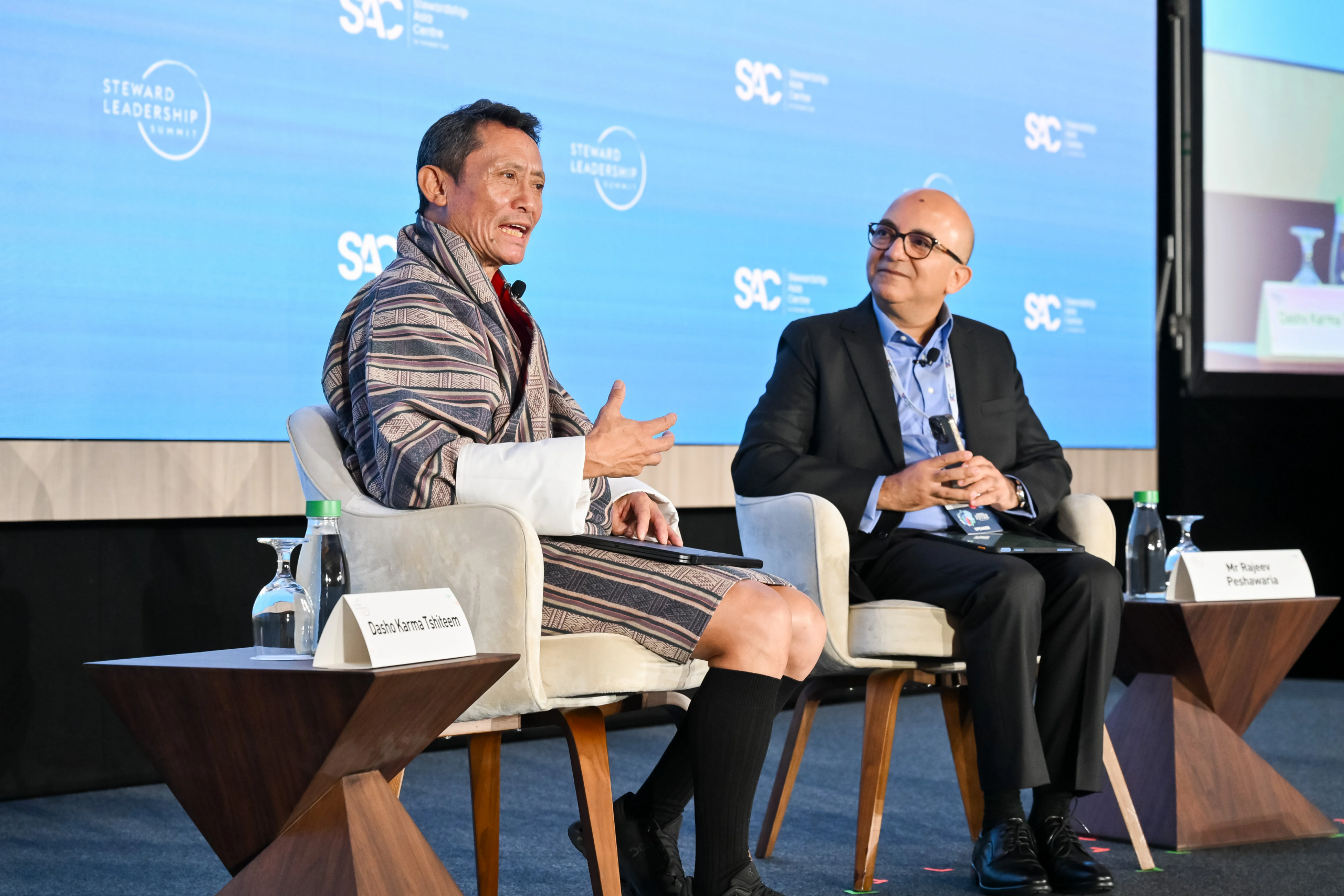


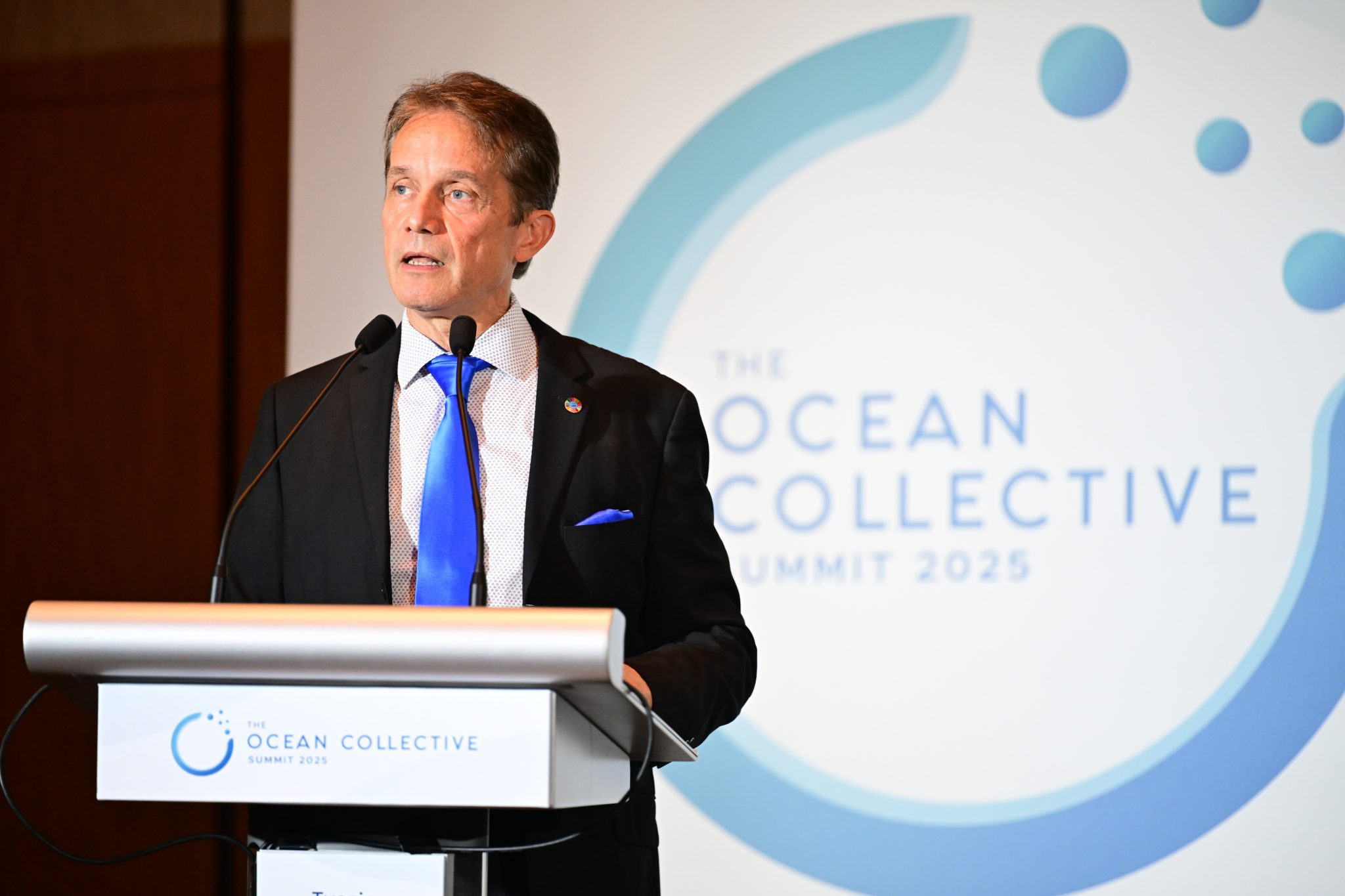
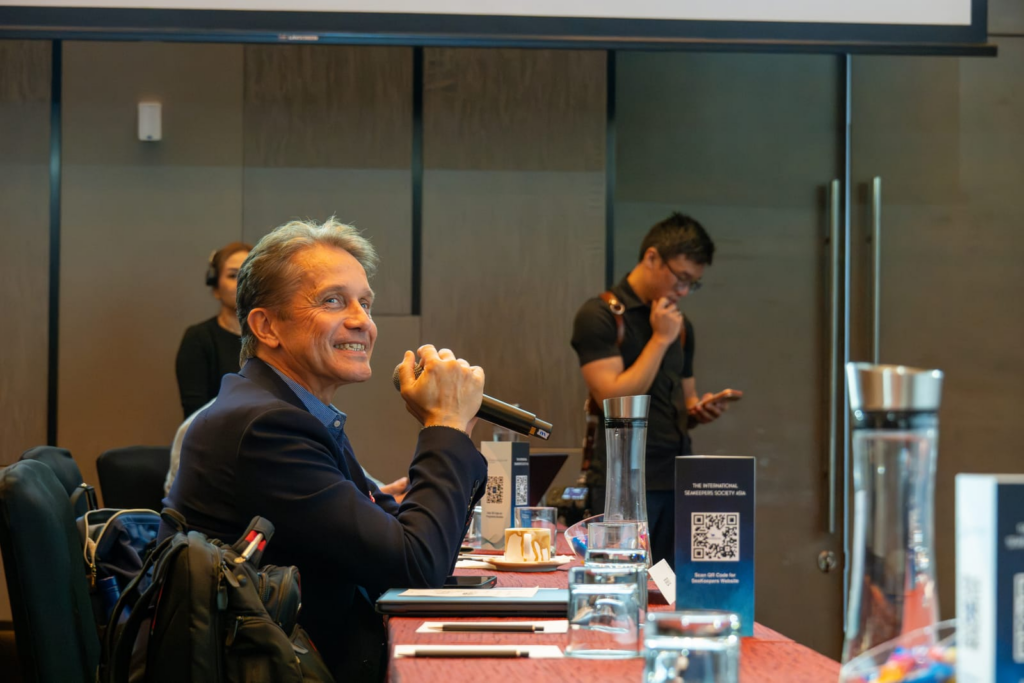
The 4th edition of the Asia Ocean Collective Summit (TOCS) took place on 2–3 October 2025 at the Sheraton Towers Hotel Singapore, marking a significant milestone in promoting environmental, social, and governance (ESG) outcomes in the region. Organised by SeaKeepers Asia in collaboration with the International SeaKeepers Society and the Fabien Cousteau Ocean Learning Centre, the summit convened thought leaders, innovators, business professionals, and youth advocates dedicated to advancing ocean sustainability and translating dialogue into measurable ESG impact.
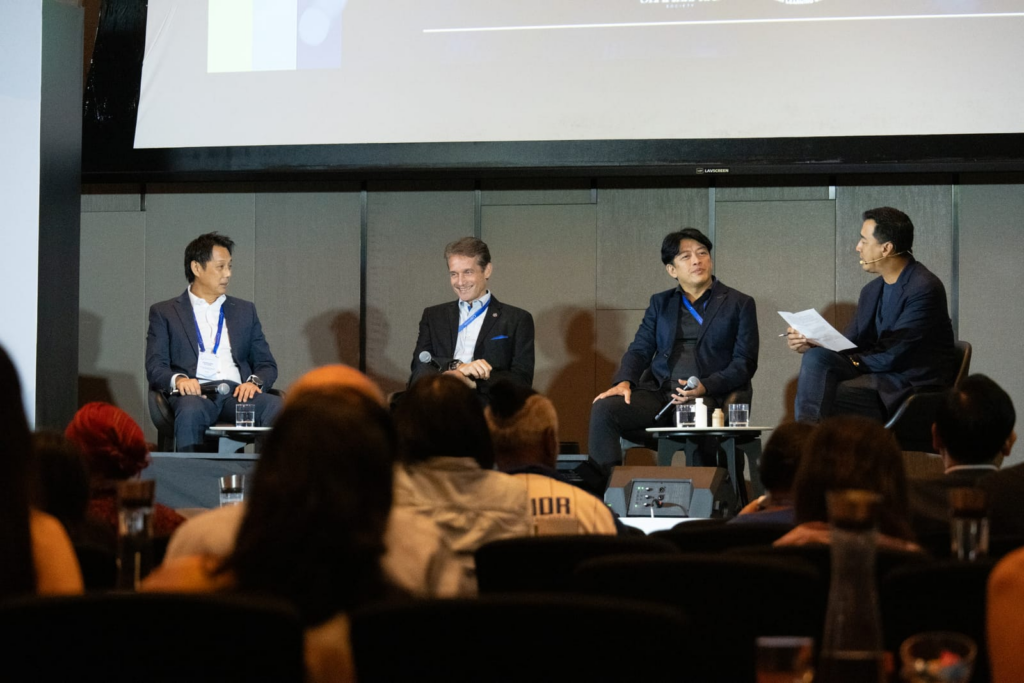
Far beyond a conventional conference, TOCS embodies a global movement that leverages collaboration, advocacy, and actionable outcomes to safeguard marine ecosystems. Over two days, the summit featured talks, panels, and interactive sessions that highlighted the role of sustainable business practices, social inclusivity, and governance frameworks in protecting our oceans.
Fabien Cousteau, a pioneer in ocean exploration, emphasized the urgency of global cooperation, calling for strategies that generate long-term environmental impact. Singapore’s Minister of State Alvin Tan reinforced the critical role of public-private partnerships, illustrating how governance and policy can align with sustainability initiatives to deliver tangible results.
Environmental Impact Through Innovation
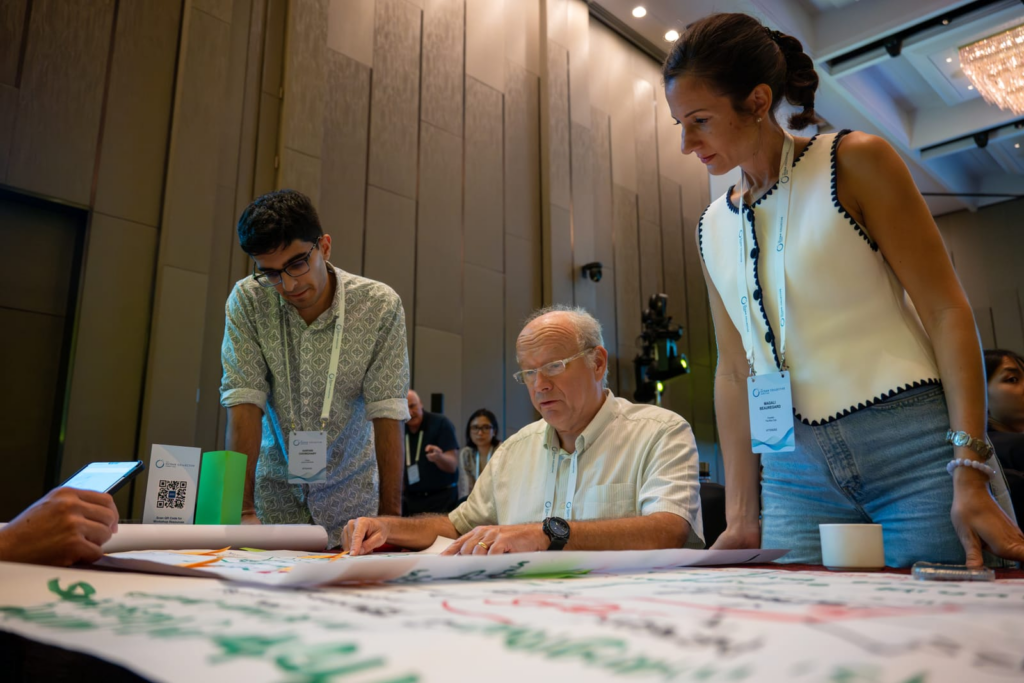
The programme showcased cutting-edge solutions in artificial intelligence, robotics, and data-driven ocean monitoring, underscoring the summit’s commitment to environmental stewardship. By promoting science-backed, technology-enabled approaches, TOCS demonstrates how environmental initiatives can be both innovative and scalable. Workshops, including a design-thinking session on sustainability challenges, allowed participants to co-create actionable strategies, bridging the gap between inspiration and measurable outcomes.
Social Responsibility and Community Engagement
TOCS also spotlighted the human dimension of ESG. Participants heard from the Orang Seletar community, whose livelihoods and culture are intertwined with the sea, highlighting the importance of preserving indigenous knowledge and engaging local stakeholders. Programs like Junior SeaKeepers and student-led competitions cultivate the next generation of ocean innovators, empowering youth to contribute meaningfully to conservation efforts and social sustainability.

Governance Through Collaboration and Accountability
The International SeaKeepers Society exemplifies governance-driven environmental action. Since its founding in Monaco in 1998, SeaKeepers has transformed private vessels into research platforms, creating a structured framework for collaboration between yacht owners and scientists. Through the DISCOVERY Programme and initiatives across Asia, the organisation ensures accountability in data collection, research outcomes, and community engagement—key components of robust ESG practice.
The summit also demonstrated the practical application of ESG principles through innovation. For example, Abery Lia Chan, a participant in the Ocean Innovators Challenge, presented initiatives to accelerate biodegradable swimwear and repurpose discarded wetsuits, turning waste into resources—a clear intersection of environmental responsibility, social impact, and innovation governance.
Looking Ahead: Sustaining ESG Momentum
TOCS Asia continues to evolve, aiming to advance ESG conversations and showcase solutions rather than repeat challenges. “It’s not about doomsday scenarios, but about asking—if we do this, what good could follow?” said Gail Tay, Director of Operations & Programmes at SeaKeepers Asia. Each summit edition is designed to translate dialogue into action, aligning science, policy, and business to generate measurable ESG outcomes.
In positioning ESG at the heart of ocean conservation, the Ocean Collective Summit bridges inspiration and impact, connecting local initiatives with the global mission of the International SeaKeepers Society. It serves as a reminder that meaningful environmental and social change is possible when innovation, collaboration, and governance set sail together.