

Global Leadership in Clean Energy Transition
Introduction
Founded in 1923, the World Energy Council (WEC) is one of the most influential global organisations focused on shaping the future of sustainable and secure energy systems. It connects governments, industry leaders, academics, and NGOs to support long-term strategies for energy transition. With its strong emphasis on clean energy, resilient infrastructure, and equitable access, WEC plays a major role in driving ESG-oriented global progress.
Key Sustainability Event: World Energy Congress
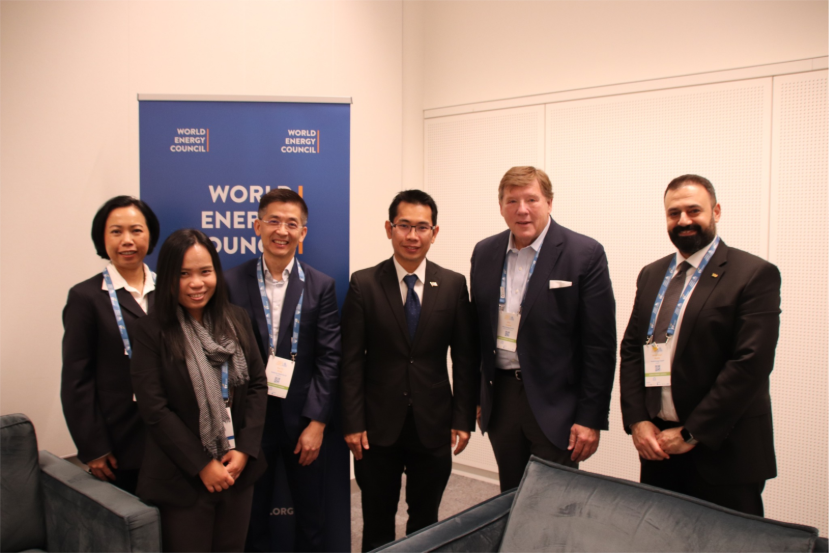
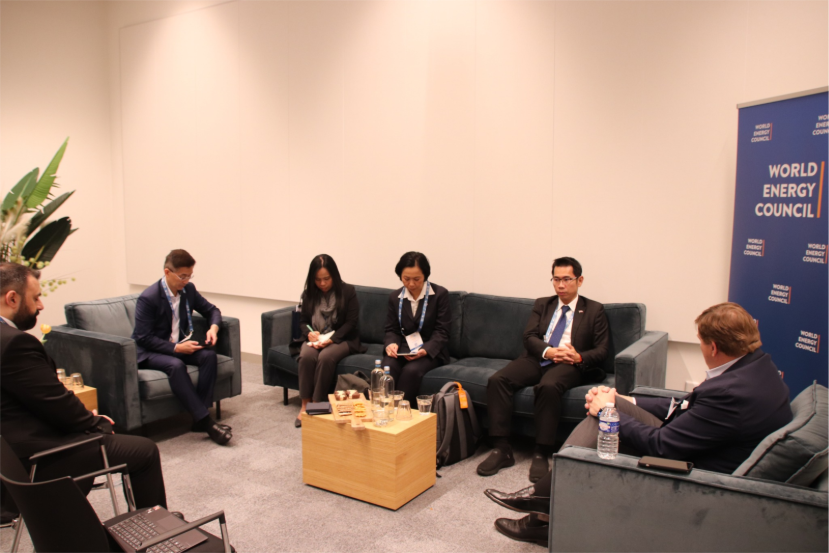
The World Energy Congress is WEC’s most impactful sustainability event. Held every three years, it gathers energy ministers, CEOs, climate experts, and innovators to discuss global decarbonisation pathways, energy access, climate resilience, and clean technology financing. The Congress shapes high-level policy decisions and brings visibility to emerging climate-friendly technologies.
Contribution to Environmental Progress
The Congress advances environmental sustainability by promoting renewable energy adoption and emissions reduction strategies. It provides a platform to showcase solutions such as green hydrogen, advanced solar, wind, and carbon capture technologies. These conversations often influence countries to update climate targets, commit to net-zero goals, and improve decarbonisation governance.
Support for Social Well-Being
Energy equity is a critical focus. Discussions emphasise reducing energy poverty, strengthening energy affordability, and supporting communities impacted by energy transition. WEC also highlights workforce transition measures, ensuring fair opportunities for workers moving from fossil fuel sectors to green industries.
Role in Strengthening Governance
The Congress improves governance by encouraging transparent energy reporting, cross-border cooperation, and ethical investment practices. Countries are guided to establish clear regulatory frameworks and enhance accountability in climate-related policies.