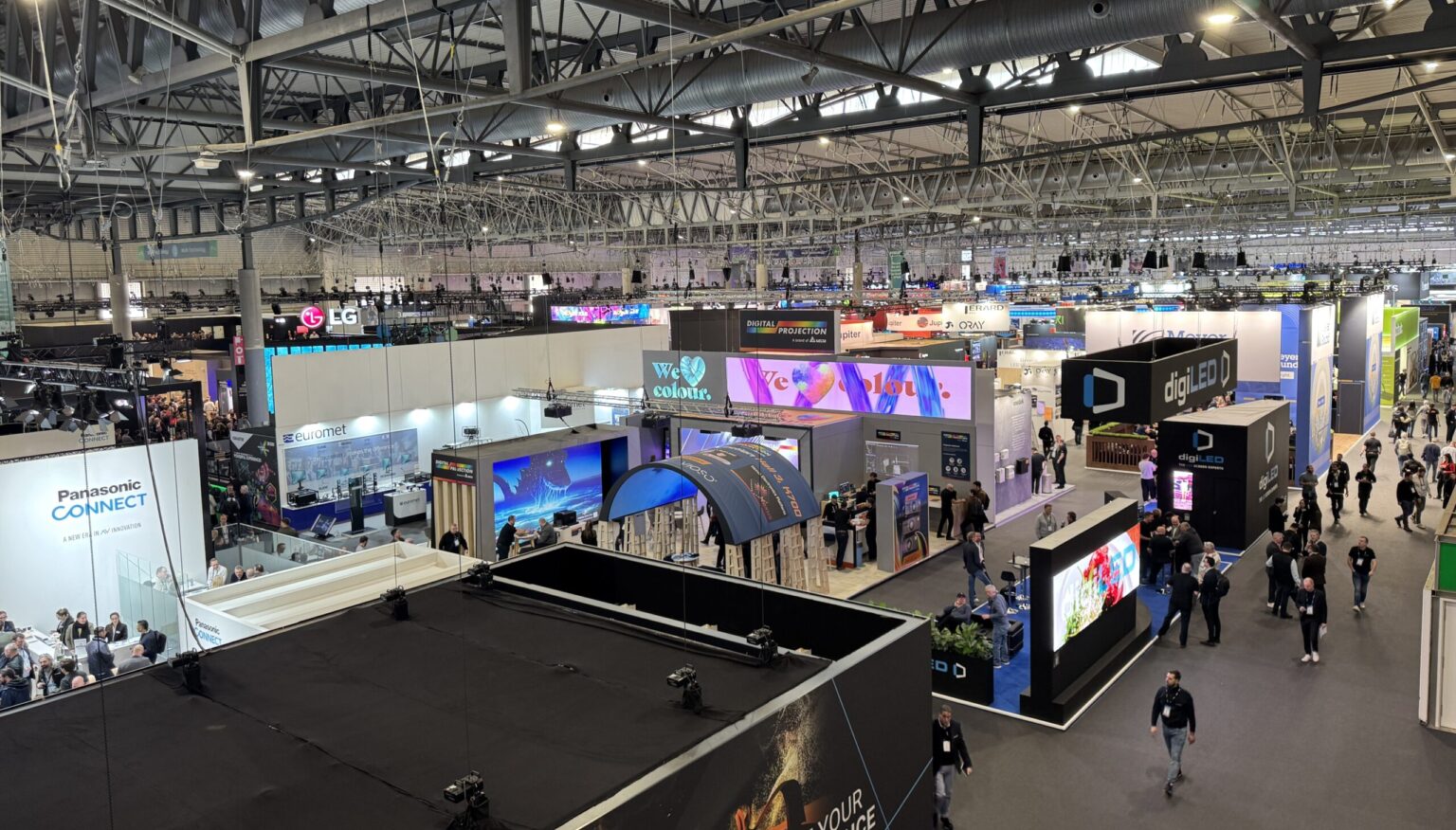


As robotics technology advances, humanoid robots are beginning to capture attention in the MICE (Meetings, Incentives, Conferences, and Exhibitions) industry. These machines, designed to resemble humans in form and movement, offer the promise of new ways to engage attendees, assist with event tasks, and enhance visitor experiences. However, widespread use of humanoid robots in dynamic event settings remains years away.
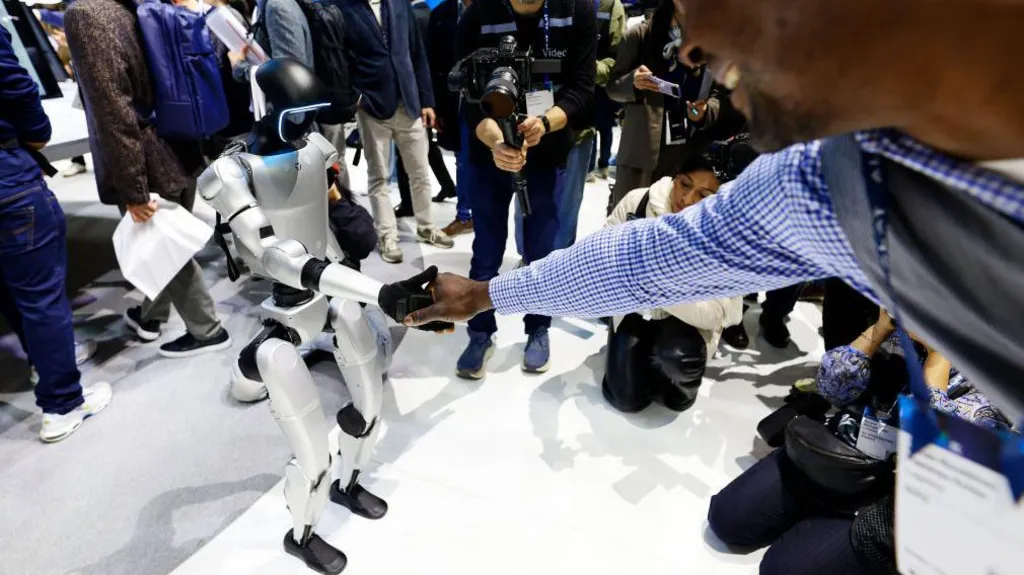
At Hannover Messe, one of the world’s largest industrial trade shows, Chinese robotics company Unitree introduced the G1 humanoid robot. Standing 130 cm tall and priced lower than many competitors, the G1 is noted for its fluid, lifelike motions and has gained online popularity through videos of it performing dance routines and martial arts. Although remotely controlled during the show, the robot attracted strong interest from attendees who interacted with it directly, highlighting the appeal of human-like machines in live environments.
For the MICE sector, humanoid robots could serve multiple roles—such as welcoming guests, guiding visitors, supporting entertainment, or handling simple logistical tasks. Their novelty and interactive qualities could help boost attendee engagement and create memorable event moments.
Still, challenges remain. The artificial intelligence needed for robots to operate autonomously in unpredictable environments like conferences or exhibitions is not yet mature. Current models require pre-programming for specific tasks and cannot fully adapt on their own. Experts estimate that true autonomy for humanoid robots in such settings may be at least a decade away.
Currently, companies including Unitree, Tesla, BMW, and Hyundai focus mainly on industrial applications where robots perform repetitive tasks in controlled spaces. China, with its extensive supply chains, rapid research, and government support, is positioned as a global leader in humanoid robot development.
Some companies take a pragmatic approach by developing simpler robots without full humanoid features, making them more affordable and easier to deploy—an option that may suit event organisers looking for reliable, cost-effective solutions.
While humanoid robots are not yet ready for widespread MICE event use, early prototypes and demonstrations suggest they could soon play a role in enhancing attendee experiences. Event planners and associations are advised to keep abreast of these developments as part of future innovation strategies.