

Launched at IMEX America, the Events Industry Council’s Pathways initiative connects career discovery, skills development, professional credentials and mentorship, offering associations and employers a framework for building a sustainable workforce.
IMEX America, Las Vegas, USA — The Events Industry Council (EIC) has launched Pathways, a workforce initiative designed to help people enter, develop and sustain careers in the global business events industry.
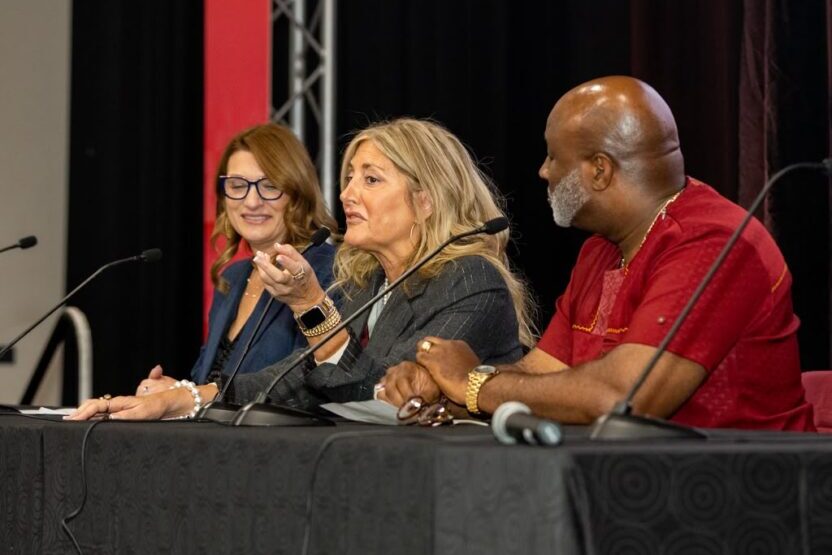
Announced at IMEX America in Las Vegas on 13 October, the initiative brings programmes, resources and partnerships into a connected strategy spanning four career stages: Discover, Develop, Advance and Lead.
Its significance extends beyond recruitment. Pathways positions workforce development as a continuing responsibility, linking education, professional recognition and community with opportunities for experienced practitioners to mentor others.
A Sector with Substantial Workforce Needs
The initiative advances EIC’s Vision 2030 commitment to advocacy and workforce development, drawing on research that highlights both the industry’s economic contribution and its changing talent requirements.
According to EIC’s 2026 Global Economic Significance of Business Events Study, the sector supports 24.2 million jobs worldwide, attracts 1.65 billion participants and generates US1.3trillionindirectspending.ItscontributiontototalglobalGDPreachesUS1.8 trillion.
Meanwhile, 75% of respondents to the EIC Futures Landscape Study 2025 rated talent and workforce development as very or extremely important to the industry’s future.
EIC President and CEO Amy Calvert said Pathways translates these research findings into practical action, helping people recognise and navigate opportunities throughout their careers.
Opening Doors to Future Professionals
The Discover stage introduces students and emerging professionals to the range of careers across business events.
Its APEX Future Workforce initiative brings high-school students into major industry gatherings, where they can experience the sector, meet practitioners and explore potential career paths.
For associations and employers, this creates opportunities to explain the breadth of work behind successful events, from programme development and operations to technology, sustainability and stakeholder engagement.
Making Learning Accessible and Practical
The Develop stage supports continuous learning and more deliberate career planning. Resources include the Pathways newsletter and a Reflective Practice Exercise, helping professionals assess their experience, identify transferable capabilities and consider development needs.
EIC is also working with technology partner Snapsight to transform its APEX Accepted Practices into interactive resources with multilingual functionality.
The aim is to make established industry knowledge easier to access and apply across markets. For organisations with geographically diverse teams, this could support more consistent professional practice while widening access to learning.
Connecting Skills with Professional Recognition
The Advance stage links development and work readiness with recognised credentials.
The previously announced CMP Work Readiness Certificate provides an earlier entry point into the Certified Meeting Professional ecosystem, allowing individuals to demonstrate foundational knowledge while building experience.
Pathways also builds on updated CMP International Standards and an examination developed through a multi-year process involving more than 1,000 volunteer subject-matter experts.
Complementary programmes, including the Sustainable Event Professional Certificate, address capabilities increasingly relevant to organisational priorities and event delivery.
Leadership Through Mentorship and Connection
The Lead stage expands opportunities for experienced professionals to contribute through ambassador roles, mentorship, reverse mentoring and volunteer leadership.
EIC Board Chair Stephanie Harris emphasised that workforce development requires collaboration across employers, educators, associations, partners and individual professionals.
For association executives, the initiative offers a practical prompt: connect recruitment with learning, credentials and meaningful opportunities to contribute. With technology and wellbeing also prominent in EIC’s futures research, retaining talent will require attention to career progression, workplace expectations and sustained professional connection.
Pathways provides a framework for bringing these responsibilities together, with EIC planning further expansion alongside its members and partners.