

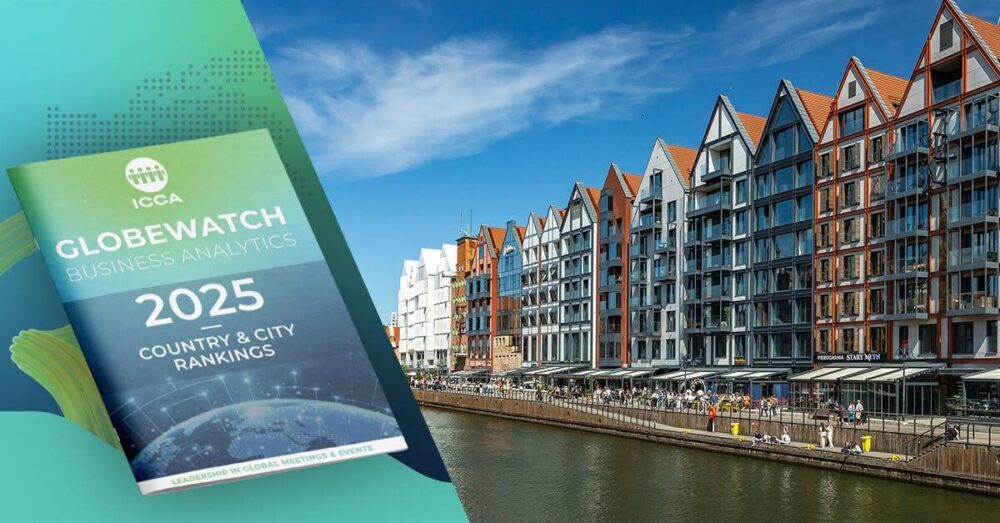
The latest International Congress and Convention Association (ICCA) GlobeWatch Business Analytics 2025: City & Country Rankings highlights a growing shift in how international associations choose destinations for their meetings. While convention facilities and accessibility remain important, cities with strong research capabilities, innovation ecosystems and sector expertise are increasingly gaining a competitive advantage.
This trend is reflected in the performance of the BestCities Global Alliance, with six member destinations ranked among the world’s leading cities for international association meetings: Singapore (#5), Copenhagen (#7), Tokyo (#10), Berlin (#12), Madrid (#13) and Dublin (#18).
Rather than being recognised solely for their event infrastructure, each destination is backed by established knowledge economies. Singapore has built a globally recognised biomedical and healthcare ecosystem, Tokyo is a leader in robotics and precision engineering, Copenhagen is internationally known for sustainability and green innovation, while Berlin, Madrid and Dublin continue to strengthen their positions in life sciences, technology and cybersecurity.
The rankings suggest that associations are increasingly selecting destinations that can contribute expertise alongside meeting facilities. Access to leading researchers, universities, industry experts and innovation clusters enables conferences to create opportunities for collaboration, knowledge exchange and long-term impact beyond the event itself.
As associations place greater emphasis on measurable outcomes and legacy, destinations are finding new ways to differentiate themselves. Strong local industries can enrich conference programmes, connect delegates with subject matter experts and support partnerships that continue after delegates return home.
Commenting on the rankings, Loren Christie, Managing Director of BestCities Global Alliance, said the results recognise more than destination appeal. They reflect the depth of expertise, innovation and collaboration across the BestCities network, with knowledge economies playing an increasingly important role in creating meaningful and lasting impact through international business events.
The findings also reinforce a broader trend across the meetings industry. Destinations are no longer competing solely on the size of their convention centres or the number of hotel rooms they can offer. Increasingly, they are competing on the strength of their research institutions, industry clusters and ability to support the objectives of international associations.
For destination organisations, investing in knowledge ecosystems is becoming an important part of attracting global meetings. For associations, choosing a host city is increasingly about finding a partner that can contribute expertise, strengthen professional exchange and help deliver lasting value for delegates and the industries they represent.