
JAKARTA, Indonesia — A map of chapters, offices or affiliated organisations can demonstrate an association’s reach. It does not demonstrate the value of the network. That value begins only when local and global nodes turn their connections into trusted introductions, useful intelligence and collaboration that members could not readily secure alone.
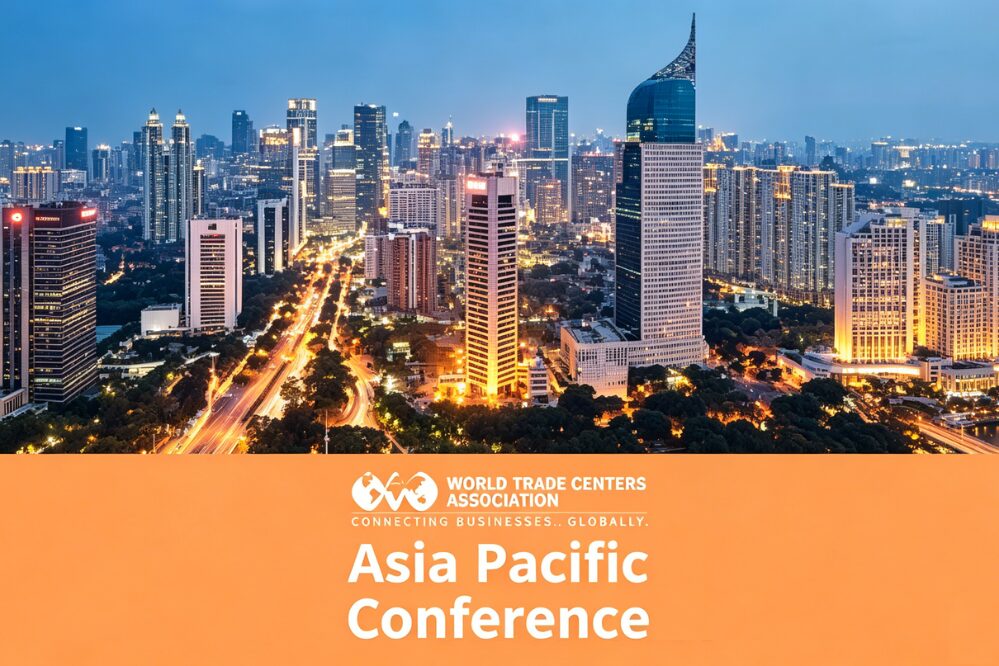
That distinction will frame the strategic test facing the World Trade Centers Association’s Asia Pacific Conference in Jakarta from 18 to 20 November 2026. Hosted by World Trade Center Jakarta, the meeting will draw on a global network of more than 300 World Trade Center locations in nearly 100 countries and territories. The size of that footprint is significant, but the more consequential question is how the network will be activated before, during and after participants meet.
Three roles need to work together. The global organisation can provide common standards, institutional trust and access across borders. A local World Trade Center can contribute market knowledge, curate relevant contacts and take responsibility for follow-up. The conference can create a concentrated period in which those relationships begin. If any one of those functions is weak, a network risks operating as a directory rather than as infrastructure for member value.
WTCA already has mechanisms that can support activation. Its Member Advisory Councils bring members together around shared areas of work, including a Business Club council focused on strengthening connections among local business communities. The association’s 2026 Global Business Forum in Philadelphia also used a digital matchmaking platform that allowed delegates to publish business profiles, receive suggested matches, schedule 15-minute meetings and continue conversations through chat before, during and after the event. A marketplace feature allows participants to identify products, services, projects, partnership opportunities, and investment interests in advance.
The scale of that forum illustrates what organised connectivity can produce at the event stage. The host reported more than 500 global leaders and more than 500 business meetings, while a WTCA network recap counted 116 World Trade Center businesses represented from 53 countries and territories. Those figures show activity and breadth. They do not yet show whether the meetings resulted in a completed referral, a trade mission, a joint project, a market entry, an investment, or a sustained partnership.
That gap between contact and consequence is where network strategy becomes visible. For Jakarta, the useful questions begin well before opening day. Will participants be segmented by the problems they can solve and the opportunities they seek? Will local teams validate and curate introductions rather than leave discovery to chance? Will the conference use a comparable matchmaking system, and will the information it captures remain available for structured follow-up?
The more important questions arrive afterward. Each promising connection needs an identified owner. A 30-day review can establish whether the parties met again and whether a next step was agreed. A 90-day review can record referrals, proposals, partnerships or other member-reported value. The global body can look across those results to identify repeatable opportunities between markets, while local centres can provide the context and relationship management needed to move them forward.
The same lesson applies to federations, professional institutes and other associations with chapter or affiliate structures. Network value requires more than access to a list of peers. It needs a clear member problem, trusted data, curation, a mechanism for exchange and explicit responsibility for what happens next. Conferences are useful because they create momentum and visibility, but they should be treated as one stage in a longer system of collaboration.
Jakarta therefore offers a test with relevance well beyond the trade-centre community. If WTCA can show how a regional gathering leads to verifiable business and partnership outcomes, the conference will demonstrate the difference between possessing international reach and putting it to work. Having a network is not the same as activating one.