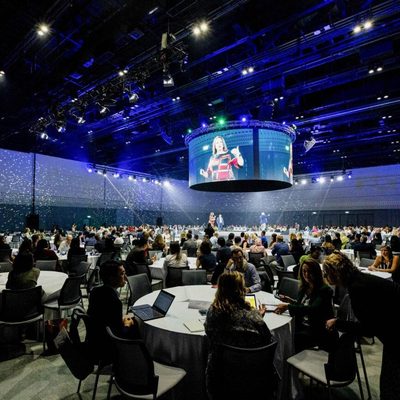


How can an association turn a major industry gathering into progress after delegates have gone home? IETA’s Asia Climate Summit offers a useful case study in connecting member expertise, specialist working groups and policy engagement to measurable outcomes in a fragmented market.
HONG KONG — When the Asia Climate Summit closed in Hong Kong on 9 July, the most important question was not what delegates had discussed, but what the organiser would do next. For the International Emissions Trading Association (IETA), the event is now a test of whether an industry association can turn convening power into practical progress in a market divided by national laws, regulators and standards.
The summit brought together more than 650 participants from government, business, finance and civil society. IETA’s post-summit report, published on 20 July, captured discussions on Article 6, climate finance, infrastructure and connected carbon markets. Yet publishing a report is only the first step. Association impact begins when conference conclusions acquire an owner, a timetable and an outcome that members and regulators can verify.
Connecting the Summit to Member Work
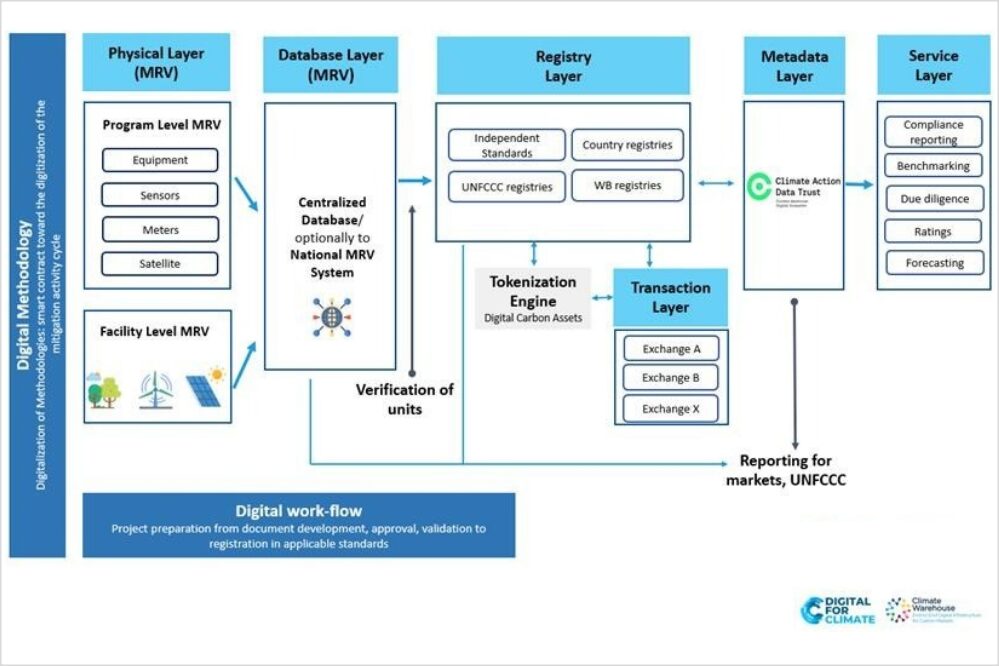
IETA’s conference agenda offers clues to how that process might work. Before the main plenaries, members met in an APAC Working Groups Roundtable and a China Working Group session. Other sessions addressed the legal nature of carbon credits, registry interoperability, digital measurement, reporting and verification, and alignment with Article 6 and CORSIA. This placed IETA’s standing member machinery alongside regulators, exchanges and market practitioners rather than treating the summit as an isolated annual conversation.
Public activity since the summit also illustrates the tools available to the association. In August, IETA held virtual sessions on Indonesia’s carbon market and the UNIDROIT principles for verified carbon credits. On 6 August it submitted a response to Australia’s Climate Change Authority, recommending greater policy certainty, transparency and consideration of high-integrity Article 6 credits. IETA explicitly thanked working-group members for contributing expertise and insights.
These actions should not automatically be presented as products of the Hong Kong summit; the public record does not yet establish that causal link. They do, however, demonstrate an existing delivery system: maintain regional groups, gather member evidence, convert it into positions, and carry those positions into regulatory consultations and continuing dialogue. The stronger test will be whether IETA publicly connects the summit’s priority issues to named workstreams and reports what those workstreams achieve.
A Playbook for Fragmented Markets
That suggests a “Fragmented-Market Association Playbook” for Associations Commons readers. First, convene the parties that control different parts of the market. Second, identify concerns on which members can find enough common ground to act. Third, assign each priority to a specialist group with board or executive ownership. Fourth, produce a defined output, guidance, a policy submission, a technical protocol or an interoperability pilot. Fifth, engage the relevant regulator or international body. Finally, report implementation, adoption and unresolved barriers.
The final step is essential. Attendance, sponsorship and delegate satisfaction measure event performance, not market progress. A useful post-summit dashboard could show, after 90, 180 and 365 days, how many priorities have owners; how many submissions, guidance documents or pilots were produced; which regulators responded; whether common practices were adopted; and whether member confidence improved. IETA’s report identifies themes, but a public action tracker would make the connection between conference and delivery much clearer.
Where Association Influence Ends
There are also firm limits. IETA can build shared language, aggregate evidence, draft guidance, coordinate voluntary technical work, and provide regulators with a credible industry counterpart. It cannot determine the legal status of credits across jurisdictions, harmonise Article 6 and CORSIA rules, compel registries to interoperate or enforce market conduct. Those powers remain with governments, regulators and international institutions. An effective association does not blur that boundary; it shows where collective industry action can remove friction and where public authority is indispensable.
The question for IETA is therefore precise: after bringing government and industry together, how will it turn summit discussions into continuing work and measurable outcomes? Its answer matters beyond carbon markets. Associations in AI, fintech, digital assets and sustainability standards face the same challenge: they cannot regulate a fragmented market, but they can organise it well enough for coordinated progress to become possible.