

Ports Australia’s 49th Biennial Conference offers more than a platform for industry discussion. Itt also illustrates the opportunity for associations to connect the ideas and consensus generated at major events with longer-term priorities, advocacy and measurable action.
SYDNEY, New South Wales, Australia — When Ports Australia holds its 49th Biennial Conference in Sydney from 22 to 24 September 2026, the most important question will not be how many industry leaders enter the room, but what happens after they leave.
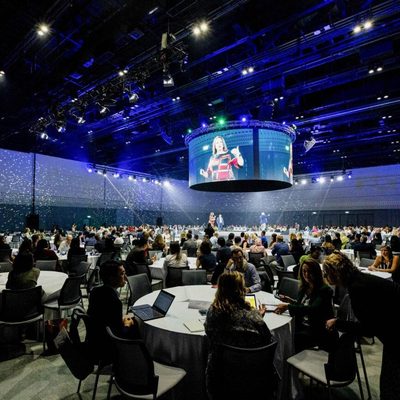
Under the theme “Globally Connected, Future Focused,” the conference will bring together port authorities, supply-chain companies and government agencies. Its programme covers cooperation, risk, technology, productivity and maritime decarbonisation. These topics create a significant platform for discussion, but discussion alone does not create an action agenda.
Australian ports move 99 percent of the country’s international trade by volume, facilitate A$650 billion in trade annually and support more than 694,000 jobs, according to Ports Australia’s State of Trade. A conference serving this industry should therefore be assessed as part of the association’s wider governance and advocacy system.
From Conference Discussion to Collective Action
For Ports Australia, the real test is whether the conference converts shared concerns into priorities that the association can own and advance. The process should begin before the event, when members provide evidence and identify common problems. Conference sessions can then test priorities and build consensus. Afterward, the board or an authorised committee must take responsibility, translate the agreed priorities into government or regulatory advocacy, and report measurable progress to members.
Ports Australia already has structures that could support this process. Its committees and Corporate Service Networks meet throughout the year to exchange technical knowledge and develop solutions. The Cyber Security Committee identifies emerging issues and provides guidance for advocacy, while other committees cover sustainability, logistics, operations and security. These groups can collect evidence before the conference and continue the work afterward.
Learning from 2024
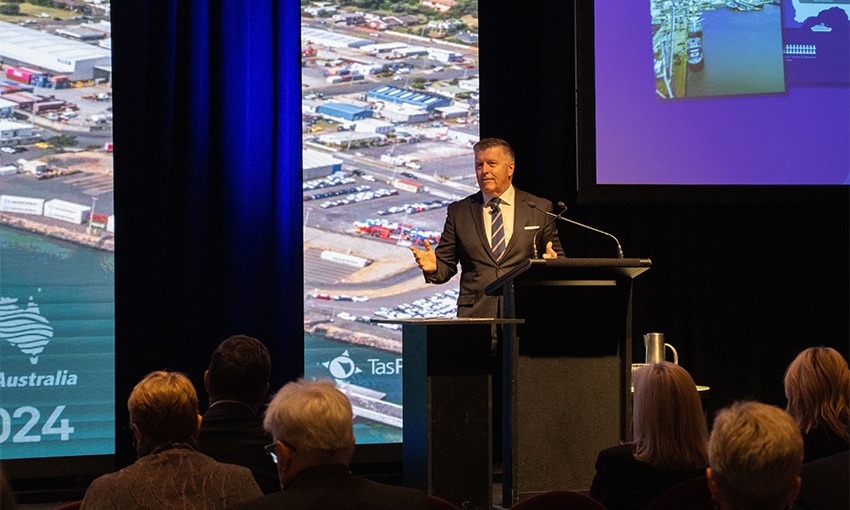
The 2024 Biennial Conference in Hobart provides a useful test. More than 350 delegates discussed governance, decarbonisation, supply-chain efficiency, future energy and regional collaboration. In February 2025, Ports Australia released Greenhouse Gas Emissions Inventory Guidance, developed with Worley Consulting and its Climate Change and Decarbonisation Sub-Committee. Later that month, it proposed a national cyber-security consultative forum and a “single front door” for reporting cyber incidents to a parliamentary committee.
Both are meaningful examples of an association moving beyond discussion: one produced an industry tool, while the other converted sector concerns into government-facing recommendations. However, the available public information does not prove that either initiative originated in, was prioritised at or was accelerated by the 2024 conference. Timing and similar subject matter do not establish causation.
Ports Australia should therefore identify at least one issue from the 2024 conference and trace the complete chain: how members raised it, what consensus emerged, who accepted responsibility, what initiative or advocacy followed, and what measurable result was achieved. Establishing this connection would show whether the conference is integrated with the association’s policy work or remains primarily a discussion and networking event.
Turning 2026 Conversations into Priorities
The 2026 programme creates another opportunity. At the end of major sessions, Ports Australia could record agreed issue statements, evidence gaps and proposed actions. The board could then approve a limited number of post-conference priorities and assign each one to a committee or working group with a clear timetable. Possible outputs could include policy submissions, regulatory consultations, ministerial meetings, industry guidelines or pilot projects.
Success should also be reported beyond registrations and delegate satisfaction. Within 30 days, the association could publish the priorities selected for further work. Within 90 days, it could identify the responsible group and intended output. Six and 12 months later, it could report government engagement, submissions, tools, pilots or policy changes, while explaining where progress has stalled.
Rethinking How Associations Measure Conference Impact
For Associations Commons, the lesson extends beyond Australia. Attendance measures reach, sponsorship measures commercial value, and satisfaction measures delegate experience. The stronger measure of association impact is what changes afterward: how many conference priorities receive an owner, enter advocacy or implementation, and produce a result members can see.
Ports Australia’s 2026 conference will bring the right people and issues into the same room. Its strategic value will be determined after the final session—when debate either disperses or becomes organised collective action.