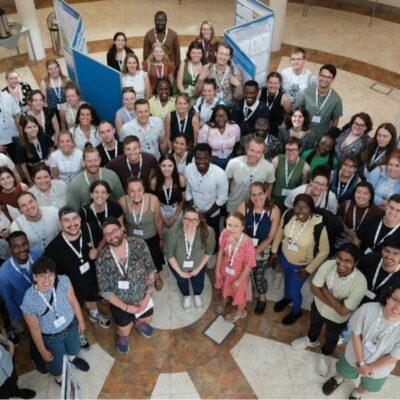


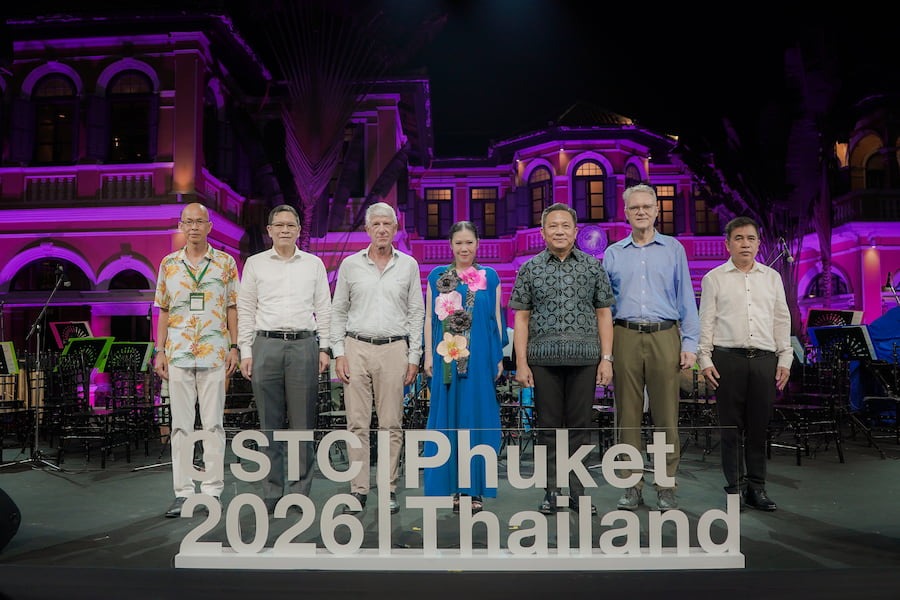
PHUKET — The Global Sustainable Tourism Council (GSTC) brought together more than 575 delegates from over 55 countries for its 2026 Global Sustainable Tourism Conference, held in Phuket, Thailand, from 21 to 24 April 2026. Tourism professionals, destination managers, government representatives, academics and sustainability specialists attended the event to examine how destinations can continue benefiting from tourism without placing unsustainable pressure on local communities and natural resources.
Holding the conference in Phuket gave the discussion particular relevance. Like many popular Asia-Pacific destinations, the island must balance tourism revenue with infrastructure capacity, environmental protection, resident wellbeing and the concentration of visitors in heavily promoted locations.
The programme focused on sustainable hospitality, resilient cities and communities, and carrying capacity and visitor distribution management. This shifted the conversation beyond attracting more visitors towards managing when, where and how tourism growth takes place. Participants examined approaches including dispersing visitors to less congested areas, measuring destination capacity, strengthening local supply chains and involving communities in tourism planning.
GSTC CEO Randy Durband and Chief Assurance Officer Dr Mihee Kang presented the organisation’s global priorities and explained how common sustainability standards can help destinations, hotels and tour operators move from broad environmental commitments to measurable management systems.
The conference combined discussion with professional development. Before the main programme, GSTC delivered sustainable tourism courses in English and Thai, a Sustainable MICE Course, a Sustainable Attraction Course and auditor training covering its hotel and destination standards. The fourth GSTC Academic Symposium also connected researchers with tourism practitioners, helping translate evidence into operational decisions.
GSTC attempted to apply the same principles to the event itself. The organisers avoided polystyrene and foam, sought to minimise single-use plastics and adopted digital signage, programmes and communications to reduce paper waste. Through its continuing partnership with Reforest, one tree was pledged for every conference attendee.
These actions do not eliminate the environmental impact of international travel, but they demonstrate how an association can connect its conference content with its own operational choices. The next step should be to publish more complete measurements covering travel emissions, waste volumes, procurement and supplier performance.
GSTC2026 demonstrates that a sustainability conference becomes more valuable when it combines standards, professional training, research and practical event management. Associations should use their convening power to establish a common language, but they must also help members apply that language through tools, courses and measurable frameworks. When the event itself reflects the principles being promoted, the association gains greater credibility. Future reporting should disclose clear environmental results so that delegates can distinguish genuine progress from symbolic action.