


KUALA LUMPUR, MALAYSIA — Malaysia is placing greater emphasis on collaboration across government, industry, academia and the business events sector as it looks to increase the long-term value created by international association congresses.
The direction was highlighted at Malaysia Business Events Week (MBEW) 2026, organised by the Malaysia Convention & Exhibition Bureau (MyCEB) from 3 to 5 August at the Kuala Lumpur Convention Centre. Under the theme “Weaving Horizons: Shaping the Tapestry of Tomorrow”, the programme brought together association executives, policymakers, destination representatives, event professionals and other industry stakeholders.
For associations, the approach reflects a broader change in what destinations can contribute to an international congress. Venue infrastructure, accessibility and accommodation remain important, but associations are increasingly considering whether a destination can support their sustainability goals, connect them with relevant local expertise and help create longer-term outcomes from their events.
This was addressed directly during MBEW in a session on shaping destinations for future association congresses. MyCEB’s programme highlighted sustainability, innovation, meaningful delegate experiences and legacy outcomes among the factors increasingly influencing destination selection.
Cross-sector collaboration can play an important role in delivering those outcomes. Universities can connect congresses with researchers and students, government agencies can provide access to policy expertise, while local industry can contribute technical knowledge, site visits and practical applications relevant to an association’s field.
Malaysia is also linking this approach to a growing pipeline of international business events. According to figures announced during MBEW, MyCEB had secured 416 business events taking place between 2026 and 2030 as of 30 June 2026, with a projected economic impact of RM8.27 billion.
However, Malaysia’s business events strategy is increasingly looking beyond economic contribution alone. MyCEB has identified knowledge exchange, professional development, innovation and positive community impact as areas through which events can create longer-term value for host destinations.
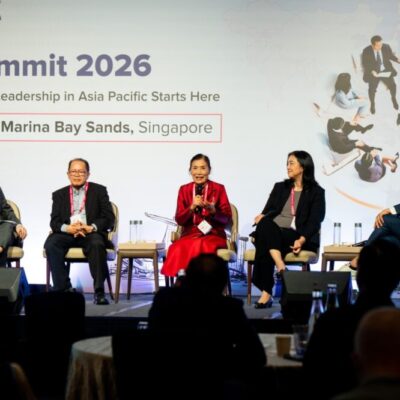
The MBEW programme itself reflected this wider scope. Discussions covered regional collaboration, sustainability and carbon impact, artificial intelligence and data, talent development, association leadership and destination strategy. One session examining regional synergies brought together perspectives from associations, congresses and event strategy to consider how partnerships can support innovation, talent development and sustainable impact across Asia-Pacific.
For associations evaluating future host destinations, this creates a different proposition. A destination is no longer valuable only because it can successfully accommodate a congress. Its wider network of institutions, industries and expertise can become part of the event itself.
Malaysia’s approach suggests that destination competitiveness may increasingly depend on the strength of these connections. For associations, the opportunity is to use them deliberately—designing congresses that connect global communities with local knowledge and leave value behind after delegates return home.