
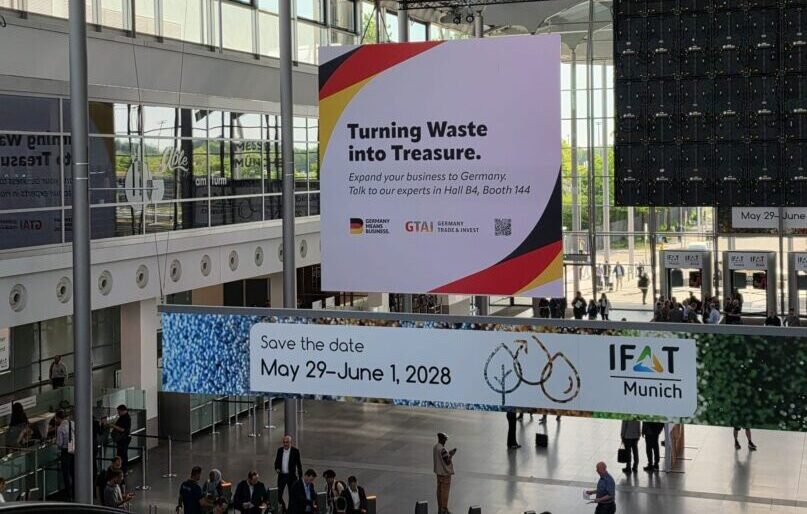
By every traditional measure, IFAT Munich 2026 is already a success story.
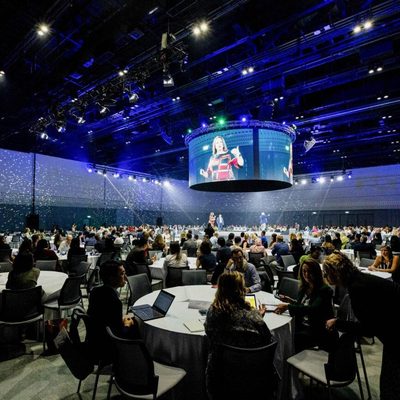
The 2026 edition runs from May 4–7, 2026, celebrating its 60th anniversary, the event features 3,400 exhibitors and attracted 142,000 visitors from 170 countries, utilizing 300,000 square meters of space to showcase advancements in water, sewage, waste, and raw materials management.
But what makes IFAT truly important in 2026 is not its scale. It is what the event has quietly become: a global ecosystem powered by associations.
In an era defined by climate risk, urbanisation, ESG accountability, resource scarcity, and geopolitical uncertainty, no single company, government, or institution can solve sustainability challenges alone.
The future belongs to collaborative communities. And IFAT may now represent one of the clearest examples of a functioning global “Associations Commons.”
Trade Fairs Are No Longer About Booths
The old trade fair model was transactional, exhibitors sold products, buyers sourced suppliers, delegates attended conferences, everyone flew home.
That model is disappearing.
Today, the most important global events are becoming ecosystems of influence where industries gather not merely to transact — but to collaborate, shape policy, build partnerships, exchange intelligence, and co-create solutions.
This evolution matters enormously for associations.
Because associations are uniquely designed to operate in ecosystems.
Unlike corporations, associations convene competitors.
Unlike governments, associations move across borders fluidly.
Unlike consultants, associations sustain long-term communities.
They are natural builders of industry commons.
And nowhere is this more visible than within the expanding IFAT global network.
IFAT Is No Longer Just Munich
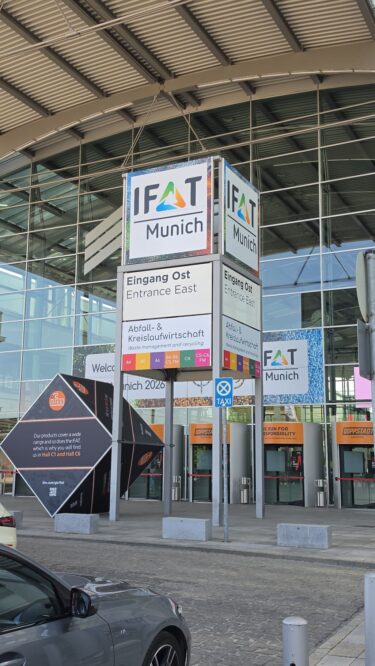
What many still underestimate is that IFAT is no longer a single exhibition in Germany.
It has evolved into one of the world’s most interconnected sustainability event ecosystems.
The network now includes:
- IFAT Munich 2026 in Germany
- IE expo China
- IE expo Guangzhou
- IE expo Chengdu
- IE expo Shenzhen
- IFAT India
- IFAT Delhi
- IFAT Eurasia
- IFAT Africa
- IFAT Brasil
- IFAT Saudi Arabia
This matters because environmental challenges are regional — but sustainability ecosystems must be global.
China’s circular economy priorities differ from Saudi Arabia’s water resilience agenda. India’s urban waste challenges differ from Europe’s decarbonisation policies. Africa’s infrastructure realities differ from ASEAN’s ESG transition pressures.
Yet the IFAT ecosystem allows these conversations to intersect, and associations are increasingly becoming the connective tissue.
The Real Drivers Behind IFAT
The true strength of IFAT does not come only from exhibitors or organisers. It comes from the institutional communities behind it.
Associations such as:
- ISWA
- International Water Association
- German Association for Water, Wastewater and Waste
- FEAD
- BDE
- European Water Association
- VDMA
are not merely participants.
They are ecosystem architects, they shape technical standards, they convene policymakers, they educate industries, they connect markets, and they mobilise expertise across borders.
Most importantly, they create continuity between events. Without associations, trade fairs end when the exhibition closes. With associations, ecosystems continue year-round.
Why Associations Must Stop Operating in Silos
One of the biggest weaknesses of the association sector globally is fragmentation.
Too many associations still operate independently:
- separate conferences,
- separate memberships,
- separate advocacy agendas,
- separate ecosystems.
Meanwhile, the challenges facing industries are becoming increasingly interconnected.
Water intersects with energy. Waste intersects with urban development. Circular economy intersects with manufacturing. ESG intersects with finance. Climate adaptation intersects with public policy.
No association can effectively address these issues alone.
This is why the “Associations Commons” model matters.
The future belongs to collaborative association ecosystems where organisations work together across sectors, regions, and disciplines.
IFAT provides one of the clearest physical manifestations of this future.
ASEAN Should Pay Attention
For ASEAN associations, the implications are enormous.
Southeast Asia sits at the intersection of:
- rapid urbanisation,
- infrastructure expansion,
- climate vulnerability,
- waste management pressures,
- and ESG-driven investment transformation.
Yet ASEAN associations often remain underrepresented in global sustainability ecosystems.
That should change.
The IFAT network offers ASEAN associations access to:
- European sustainability expertise,
- Chinese environmental innovation,
- Middle Eastern infrastructure investment,
- Global municipal networks,
- and international technology ecosystems.
An ASEAN-led Associations Commons initiative within IFAT could become one of the region’s most important sustainability collaboration platforms.
Not simply for visibility — but for long-term strategic positioning.
The Future of Trade Shows Is Community
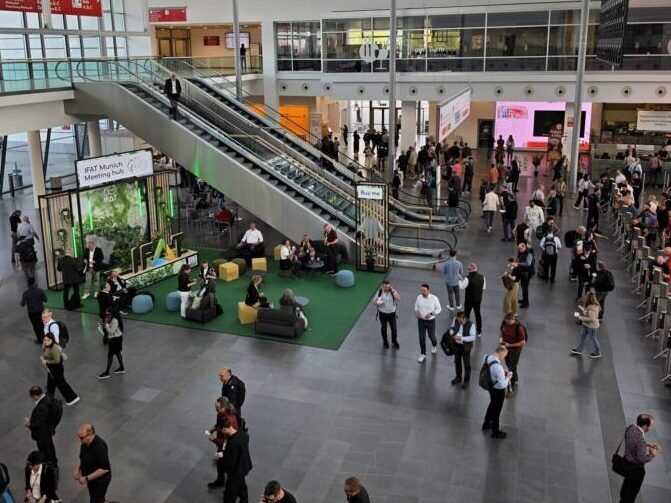
The exhibition industry itself is undergoing reinvention.
The winners of the next decade will not be organisers that simply rent floor space. They will be ecosystem builders, and associations will increasingly become central to that model.
Because communities now matter more than transactions, collaboration matters more than competition, knowledge networks matter more than physical scale.
This is why IFAT’s evolution is worth watching. Not because it is large, but because it demonstrates what the future of global industry collaboration may look like: an interconnected Associations Commons built around sustainability, innovation, and shared global purpose.
And in a fragmented world, that may be exactly what industries need most.