


For many boards, accepting the case for climate adaptation is only the beginning. The harder question is whether a proposed investment can compete for capital. A new APREA roundtable with EY shows what happens when an association translates risk into financial metrics members can actually defend — and why that translation is a job associations are uniquely placed to do.
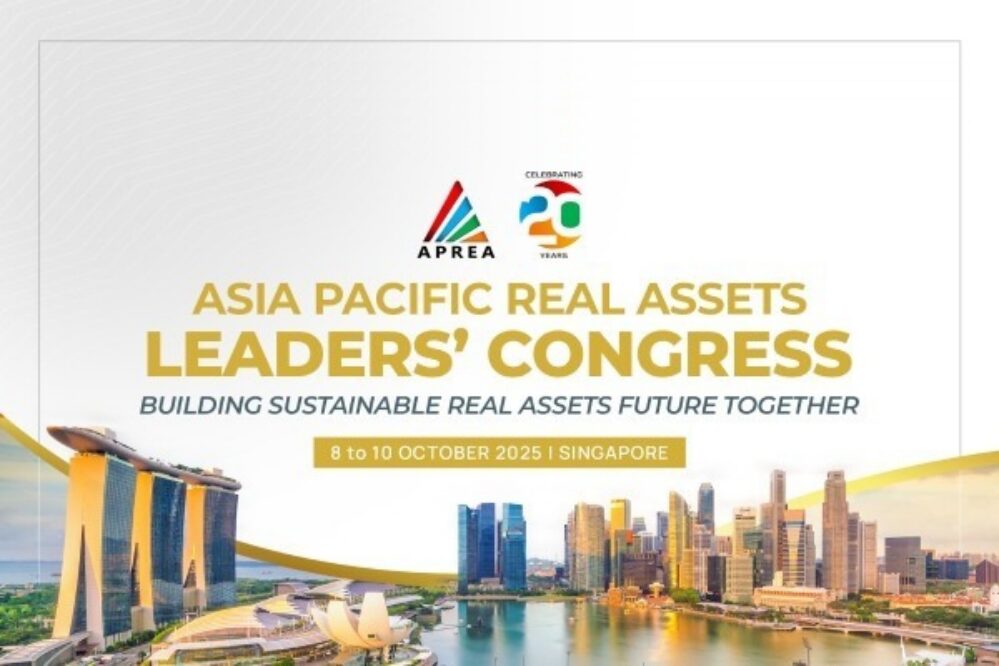
SINGAPORE — On 31 August 2026, the Asia Pacific Real Assets Association (APREA) published the key takeaways from its climate-adaptation roundtable with EY, held in Singapore on 30 July. The discussion’s opening premise was deliberately blunt: organisations are already experiencing climate impacts and lost productivity, while assets are increasingly exposed. The more urgent question is practical. How do adaptation projects win approval from boards and investors?
That question matters because recognising climate risk does not automatically translate into investment. Boards allocate scarce capital among competing priorities, and sustainability projects must survive the same appraisal as every other project. The challenge is to demonstrate: if we spend X now, what financial risk do we reduce, what operating savings do we create, what asset value do we protect, and what future cost do we avoid?
Making Sustainability Compete for Capital
APREA’s roundtable addressed exactly that. Its published takeaways argue that adaptation must be expressed in financial terms to secure investment and identify the metrics that make the case: avoided losses; energy savings; carbon-pricing implications; asset-value protection; and alignment with existing capital-planning cycles. The last point matters as much as the first four — a compelling adaptation proposal can still fail if it arrives outside the financial windows in which capital decisions are actually made.
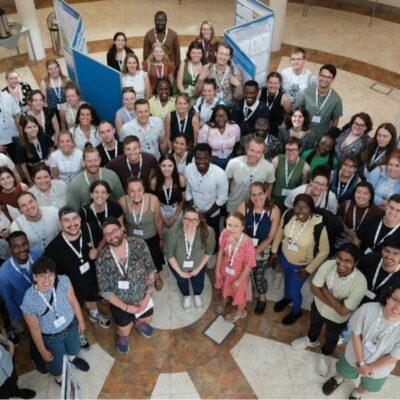
What makes the episode noteworthy is less the climate content than the association function. APREA did not simply host an ESG conversation. It convened a curated group of senior industry leaders, including Esther An, chief sustainability officer of City Developments Limited, and Joelle Chen, head of sustainability, Asia Pacific, at LaSalle, alongside partners from EY’s climate change and sustainability services. It then published a summary that converts a complex strategic issue into the language in which investment decisions are made.
In effect, APREA operated as a translator: climate risk to financial exposure, financial exposure to investment case, investment case to board decision.
This illustrates an association function that goes beyond convening. Associations can bring together experience across member organisations, connect technical and financial expertise, establish common terminology and identify metrics and benchmarks that individual members can use in their own organisations.
The model is straightforward: expert roundtable to decision metrics to member decision-making. Whether members have yet used the framework to secure board approval for adaptation expenditure is not yet public, and that is the honest caveat in this story. The next stage will be evidence of members applying these approaches to actual investment decisions. When that happens, the model moves from knowledge transfer to implementation and becomes a case study.
The transferable lesson for other associations is not “invest in climate adaptation”. It is broader. When your members face a complex problem — artificial intelligence adoption, workforce development, cybersecurity, regulatory change, or governance — can your association convert expert knowledge into a framework they can actually use to make decisions?
That question applies far beyond sustainability. APREA has shown what the answer can look like.