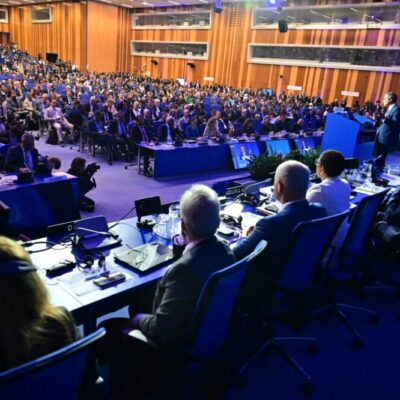


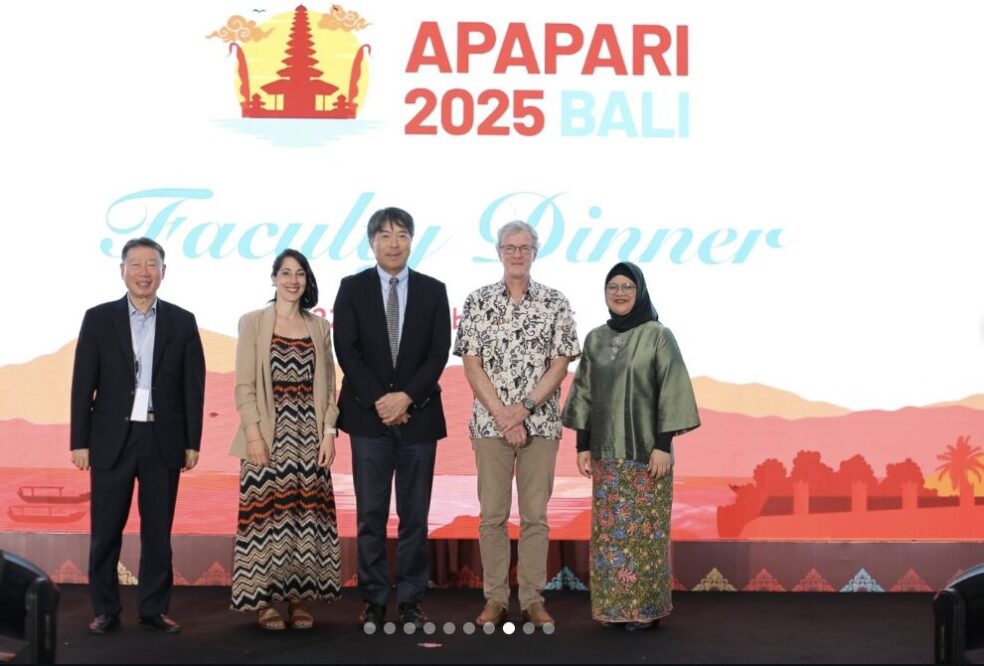
The Asia Pacific Congress of Pediatrics 2025, organised by the Singapore Paediatric Society (SPS), was held from 20 to 23 November 2025 in Bali, Indonesia. The congress brought together approximately 500 pediatricians, clinical researchers, health administrators, and public health professionals from across the Asia-Pacific region, reflecting a diverse regional participation in addressing child and adolescent health challenges.
The programme was led by Congress Chairperson Liew Woei Kang, with organising support from Nirmal Kavalloor Visruthan and Khoo Kong Wee. Key speakers included Motohiro Ebisawa, Piprim Basarah Yanuarso, Dina Muktiarti, Laure Pittet, Hideaki Miyachi, and Yu Ito, who contributed clinical and policy perspectives across a range of pediatric disciplines.
Discussions at the congress focused on key areas including pediatric allergy and immunology, respiratory diseases, infectious disease prevention, vaccination strategies, and child health policy. In sessions on clinical research and pediatric innovation, Khoo Kong Wee coordinated discussions on emerging treatment approaches and disease prevention strategies. Liew Woei Kang led discussions on sustainable healthcare systems, examining how environmental considerations can be integrated into hospital operations and healthcare delivery. Nirmal Kavalloor Visruthan contributed to sessions on community-based and inclusive care models, focusing on improving healthcare access and patient engagement at the community level.
Speakers also addressed broader healthcare system challenges across the region. Aman Pulungan highlighted the importance of health equity and inclusive healthcare systems, with discussions focusing on improving access to quality care for children, strengthening preventive care, and reducing disparities among vulnerable populations. These discussions reflected ongoing efforts within the Asia-Pacific region to align healthcare delivery with long-term public health priorities.
Environmental considerations were discussed in relation to healthcare infrastructure and service delivery. Sessions examined approaches such as energy-efficient hospital systems, sustainable procurement practices, and improved medical waste management. Speakers also discussed the integration of climate risk assessments into pediatric care, including the management of heat-related illnesses and vector-borne diseases, reflecting the intersection between environmental change and child health.
Social aspects of healthcare were a central theme throughout the congress. Discussions explored community-based outreach programmes aimed at improving access to care in rural and underserved areas, as well as mental health support for adolescents through school and community-based interventions. Speakers also highlighted capacity-building initiatives for frontline healthcare workers and vaccination awareness programmes designed to improve immunisation coverage and public confidence.
Governance-related discussions focused on regulatory and ethical frameworks in pediatric healthcare. Sessions examined clinical trial governance, including ethical approval processes and monitoring systems for pediatric research. Speakers also discussed patient data protection through secure digital health platforms, as well as the development of accountability mechanisms such as transparent reporting systems for clinical outcomes and patient safety. In addition, safeguarding protocols were highlighted as part of broader efforts to ensure the ethical treatment and protection of children within healthcare systems.
Across the programme, the congress provided a platform for regional collaboration and knowledge exchange, with discussions reflecting ongoing efforts to strengthen healthcare systems, improve clinical practices, and address emerging challenges in child and adolescent health across the Asia-Pacific region.