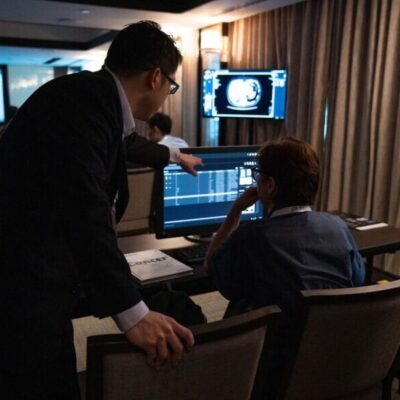

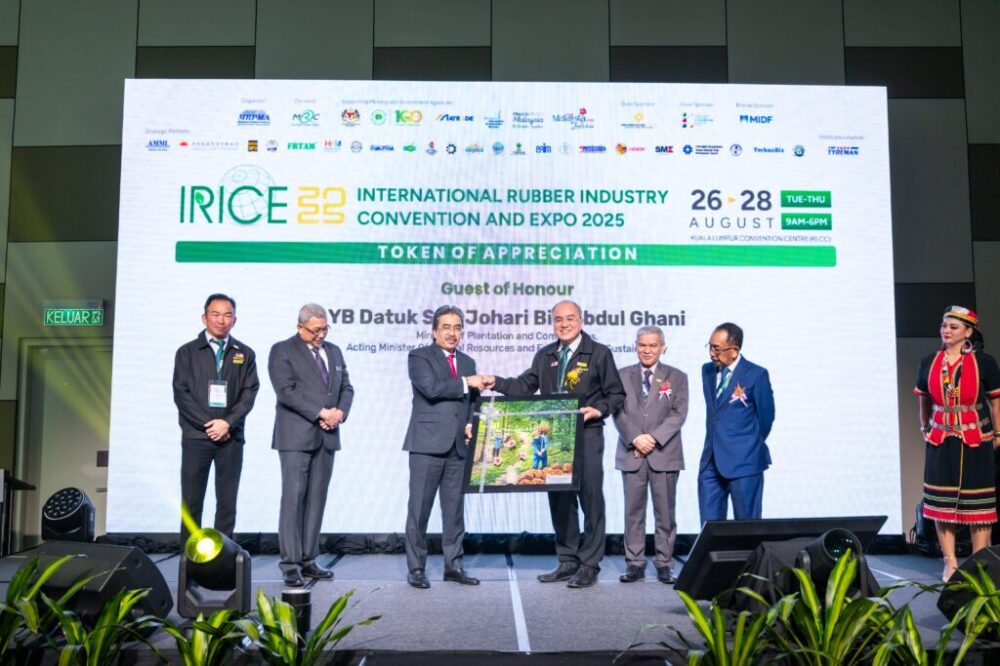
The Malaysia Rubber Industry Conference (MRIC) 2025, held from 26 to 28 August at the Kuala Lumpur Convention Centre (KLCC), served as a comprehensive forum for the global rubber value chain. Organized by the Malaysian Rubber Council (MRC), the conference was integrated into the broader International Rubber Industry Convention and Expo 2025, an event that drew approximately 4,400 participants. This assembly included over 3,000 trade buyers and 500 international delegates, representing more than 80 exhibiting companies, which provided a platform for high-level technical and commercial exchange.
The primary objective of the meeting was to address the performance and resilience of the Malaysian rubber sector through a detailed examination of production standards and market conditions. In alignment with editorial reporting standards, the discussions focused on identifying industry trends rather than promoting specific brands. Key stakeholders, including government representative Johari Abdul Ghani and leaders from the Malaysian Rubber Council (MRC), the Malaysian Rubber Glove Manufacturers Association (MARGMA), and the Malaysian Rubber Products Manufacturers Association (MRPMA), analyzed how market developments and technological advancements are reshaping the sector.
A significant portion of the conference was dedicated to sustainability requirements, which are increasingly dictated by global trade regulations. Speakers highlighted the need for the industry to adopt green technologies and more efficient production models to maintain international competitiveness. These discussions examined the integration of advanced machinery and digital monitoring systems as essential tools for meeting environmental targets. By focusing on these technological shifts, the forum addressed the transition from traditional labor-intensive practices to high-tech, sustainable manufacturing.
The social and governance implications of these industry changes were also a focal point. Participants noted that workforce development and technical training are critical for managing the new technologies being introduced across the rubber value chain. Furthermore, the collaborative involvement of various industry bodies like MARGMA and MRPMA indicated a shift toward more transparent and coordinated regulatory frameworks. This emphasis on governance aimed to strengthen the industry’s ability to respond to market volatility and shifting global standards.
The event concluded with an outlook on the future of the global rubber trade, emphasizing that long-term stability depends on consistent international cooperation and the adoption of resilient industry practices. Observations made during the final sessions suggested that the roadmap for the industry will be defined by its ability to align local production with global sustainability demands. By providing a neutral platform for these insights, the MRIC 2025 established a factual basis for how the sector can navigate future economic and environmental challenges.