

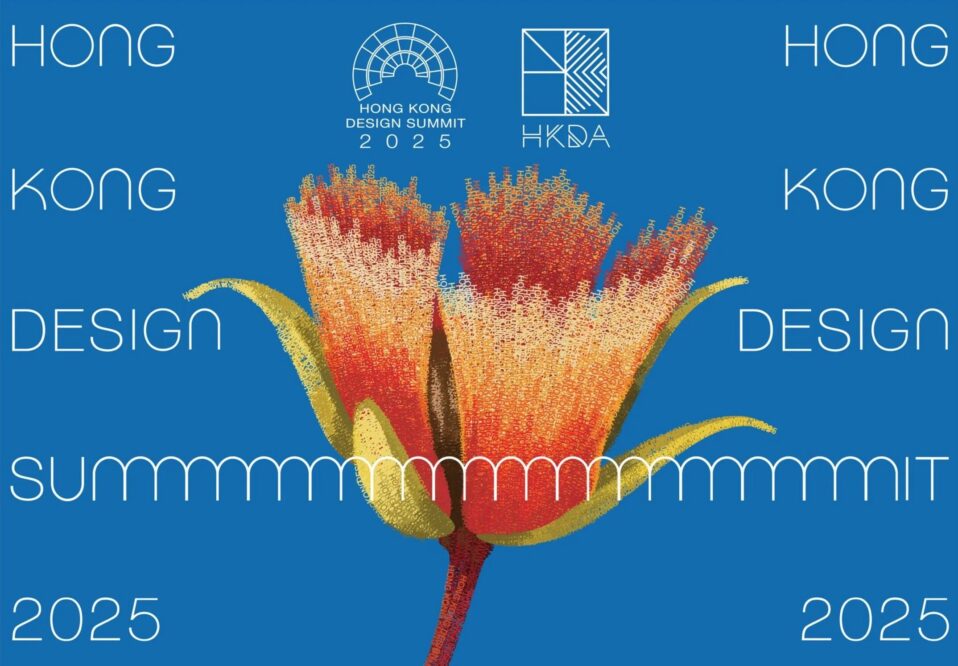
The Hong Kong Design Summit 2025, organised by the Hong Kong Designers Association (HKDA), was held on 25 April 2025 at Sky100 Observation Deck in the International Commerce Centre, Hong Kong. The event brought together more than 1,200 participants from across the design ecosystem, including designers, creative directors, brand strategists, architects, digital media professionals, educators, and international design studios.
Held under the theme “Design Exploration: Envisioning the Future of Creativity,” the summit focused on how design is responding to evolving global challenges through innovation, sustainability, cultural expression, and technology. The programme included keynote presentations, panel discussions, exhibitions, and business matching sessions aimed at strengthening collaboration between the design community and corporate stakeholders.
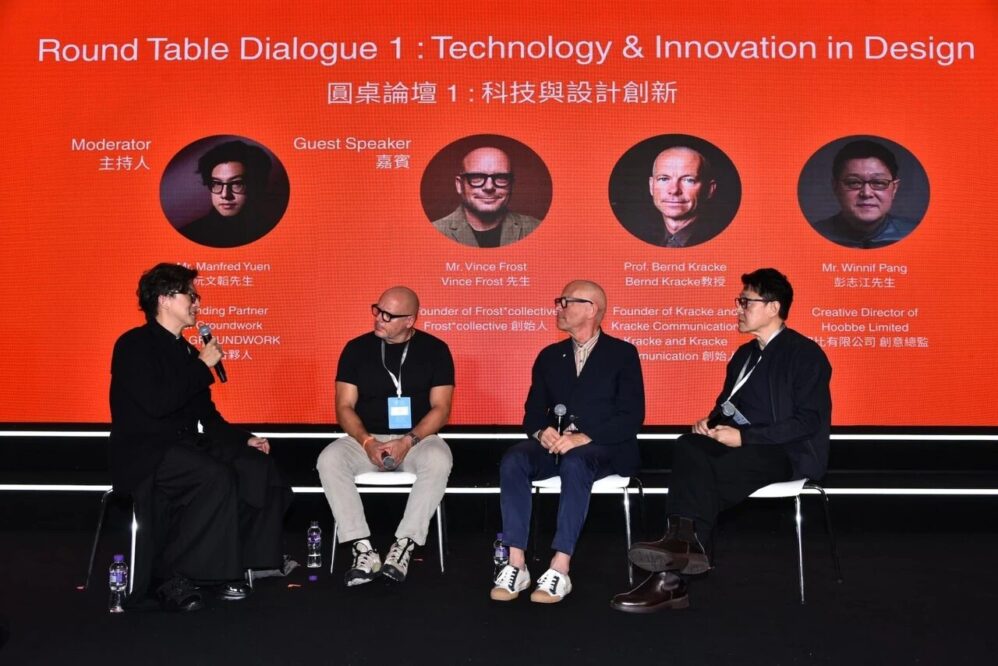
The event also featured the presentation of the BDA Brand Award 2025 and the Global Design Awards (GDA) 2025, which recognise achievements in branding, visual communication, and design practice across the region.
Across the programme, sessions examined how design is being applied to address environmental and societal challenges. Discussions on sustainability and wellness in design highlighted practical approaches including biodegradable packaging, sustainable fashion and textile innovation, and energy-efficient architectural and interior design. These sessions explored how design practices are evolving to support both environmental performance and user wellbeing.
Award presentations further reflected these developments. The BDA Brand Award 2025 recognised sustainability-driven initiatives through the Best Sustainability Brand Award, with recipients including Benjamin Moore, Dress Green, and The Spark. At the Global Design Awards 2025, CycleCore received a gold award for its project “Transforming Waste into Value: The Upcycling Revolution,” which applies circular economy principles in product and material design. Design practices such as Tony Ip Green Architects and Link Sustainability Lab were also recognised, reflecting ongoing efforts within the industry to integrate sustainability into design processes.
The summit also addressed the role of design in cultural and social contexts. Discussions explored how traditional craftsmanship and cultural heritage are being incorporated into contemporary design, with examples such as the GDA gold-winning project “Planar Three-Dimensions” by Tsinghua University. Sessions also highlighted initiatives supporting emerging designers through mentorship, exposure to international standards, and opportunities for professional development.
In addition, exhibitions of award-winning projects from both the GDA and BDA Brand Awards provided a platform for public engagement, showcasing how design contributes to everyday experiences, service innovation, and broader social applications.
Governance and industry standards were also reflected through the structure of the awards and the organisation of the summit. Award criteria, judging processes, and results were made publicly available, supporting transparency in evaluation. The event was overseen by the HKDA leadership, with collaboration involving public institutions such as the Hong Kong Culture, Sports and Tourism Bureau, as well as international organisations including the World Design Organization (WDO), supporting alignment across the regional and global design community.
The Hong Kong Design Summit 2025 highlights the evolving role of design as both a creative and strategic discipline, with increasing relevance across business, sustainability, and cultural development. As the industry continues to adapt to new challenges, the summit provides a platform for stakeholders to exchange perspectives and explore future directions for design practice.