

For decades, the success of association conferences was measured by attendance, speaker line-ups and the volume of research presented. While these remain important, they are no longer sufficient.
Today’s associations face a more fundamental question: How can a conference create lasting impact long after delegates return home?
As industries grapple with rapid technological change, workforce shortages, economic uncertainty and rising expectations, conferences are evolving from annual knowledge-sharing events into strategic platforms that help shape the future of a profession.
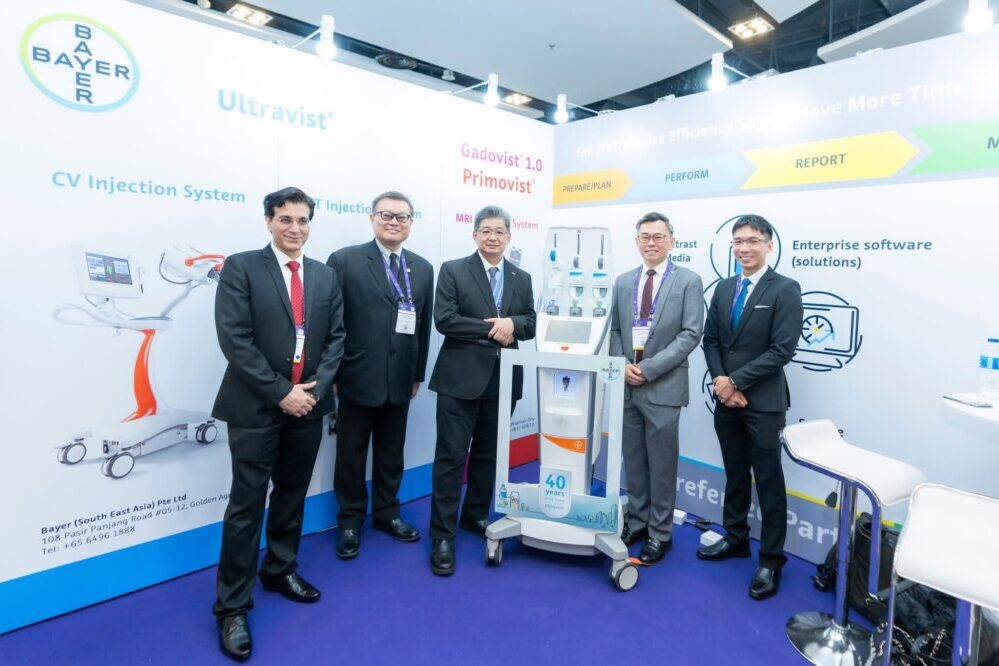
The upcoming 24th Asian Oceanian Congress of Radiology (AOCR), held jointly with the Singapore Congress of Radiology-WIRES (SGCR-WIRES) 2026, offers an example of this shift.
Rather than focusing solely on scientific discoveries, the organisers have deliberately designed the congress around a broader objective—helping the profession become more sustainable, resilient and future-ready. Its theme, “Imaging Beyond Borders, Shaping a Sustainable Future,” reflects an understanding that sustainability is about more than environmental responsibility. It is equally about strengthening leadership, improving decision-making, embracing innovation, developing people and building international collaboration.
This represents an important evolution in conference design.
Instead of treating artificial intelligence, digital transformation or sustainability as standalone topics, AOCR integrates them into a larger conversation about improving professional practice and creating better outcomes for patients, organisations and society.
Equally significant is its investment in leadership development. Alongside its scientific programme, the congress will launch the AOSR Global Leadership Practicum in Radiology, recognising that the future of any profession depends as much on developing capable leaders as it does on advancing technical expertise.
For Associations Commons, this raises a broader question for association leaders:
Are conferences simply delivering content, or are they intentionally shaping the future of their profession?
The distinction matters.
Knowledge is increasingly accessible year-round through webinars, online learning and AI-powered tools. The unique value of an association conference now lies in its ability to convene leaders, challenge conventional thinking, build trusted relationships and inspire collective action around issues that matter most.
This requires a different approach to programme design.
Rather than asking, “What sessions should we include?”, associations may achieve greater impact by asking:
- What changes in professional practice do we hope to influence?
- What capabilities will our members need over the next five years?
- How can our conference become a catalyst for collaboration rather than simply a platform for presentations?
- What legacy should delegates take back to their organisations?
AOCR SGCR-WIRES 2026 demonstrates that when these questions shape programme design, a congress becomes more than an event. It becomes an instrument for professional advancement.
That is perhaps the most important lesson for association leaders.
The future belongs to conferences that are intentionally designed—not merely to inform—but to influence, inspire and help shape the next chapter of an entire profession.
At Associations Commons, we believe this is the new benchmark for association events. The most successful conferences will no longer be remembered for the number of sessions they delivered, but for the positive change they inspired across their communities.