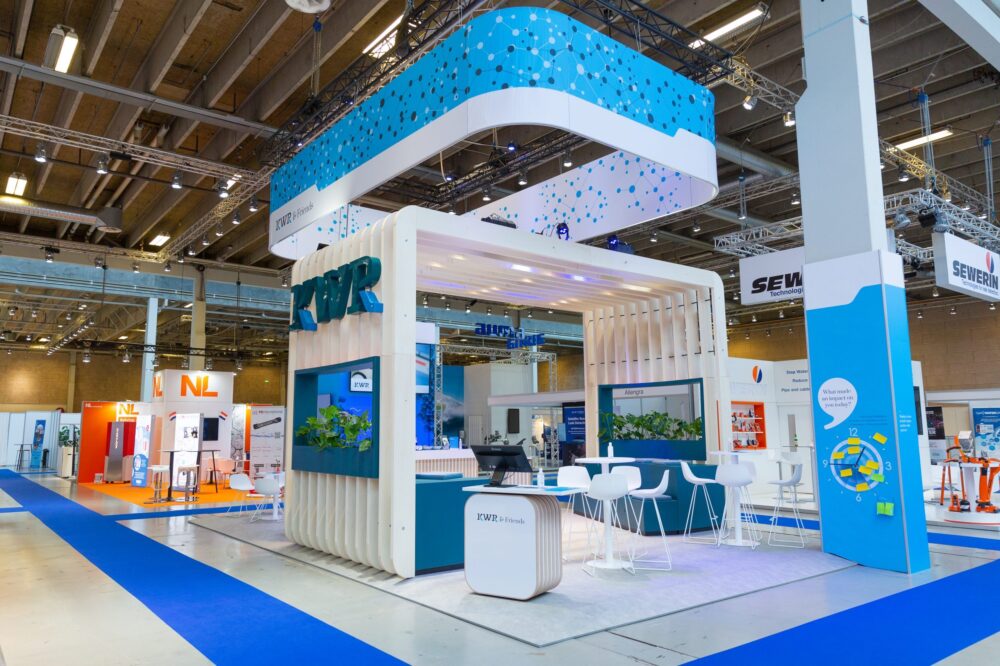

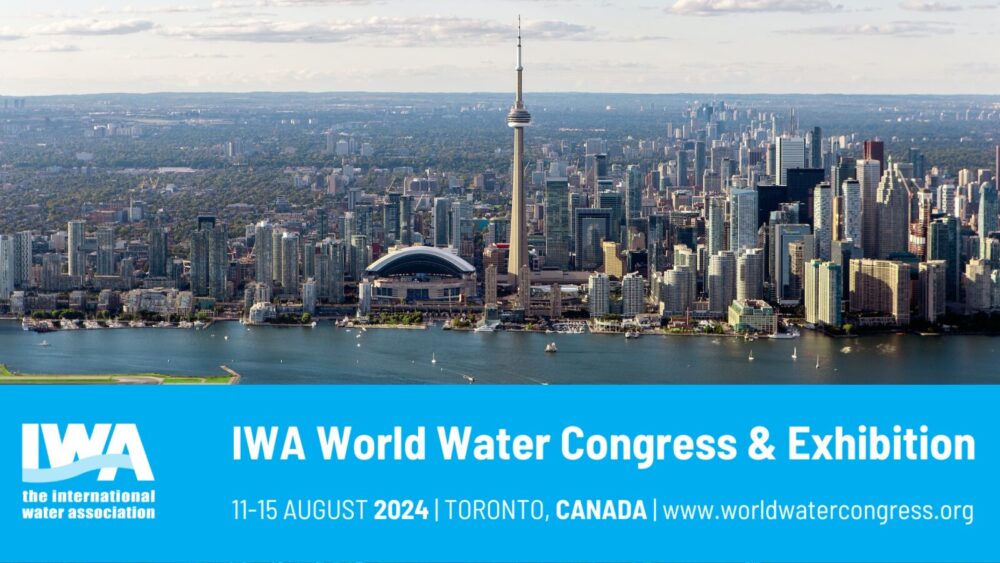
The IWA World Water Congress & Exhibition 2024, organised by the International Water Association (IWA), was held from 11 to 15 August 2024 at the Metro Toronto Convention Centre in Toronto, Canada. As the association’s flagship biennial event, the congress brought together approximately 7,000 participants from more than 140 countries, including water professionals, policymakers, researchers, utilities, and technology providers.
The 2024 edition featured over 900 presenters, 200 technical sessions, and 250 exhibitors, covering the full water cycle from source protection and drinking water treatment to wastewater reuse, circular resource recovery, and ecosystem restoration. The programme included keynote plenaries, technical forums, policy dialogues, and innovation showcases, providing a platform for the exchange of research, operational practices, and emerging technologies in water management.
While hosted in North America, the congress maintained strong engagement with water challenges and innovations in Asia. Asian delegations, research institutions, and utilities contributed to technical sessions and knowledge exchange, reflecting the region’s ongoing role in shaping global water strategies. Previous editions held in cities such as Beijing, Busan, and Tokyo have addressed issues including urban water governance and advanced treatment systems, while the upcoming 2028 congress in Kuching, Malaysia, highlights the region’s growing importance in global water infrastructure development.
Key topics for the 2024 edition included water security, climate resilience, digitalisation in water systems, and equitable access to water services. Across the programme, speakers examined how utilities and governments are responding to increasing pressure on water resources through technological innovation and integrated management approaches.
Sessions addressing environmental sustainability explored solutions across the water cycle, including low-energy treatment technologies, circular water systems, and nature-based approaches to ecosystem protection. Case examples discussed during the congress included advanced wastewater reuse systems in Singapore, decentralised urban water models in India, and river restoration initiatives in China, reflecting cross-regional exchange of practices.
Social dimensions of water management were also addressed, with discussions focusing on access to safe and reliable water services in rapidly urbanising and lower-income regions. Sessions highlighted community-based water supply projects in India and inclusive urban water management programmes in the Philippines, alongside initiatives supporting early-career professionals through mentoring schemes, innovation competitions, and technical engagement platforms.
Governance and operational transparency were recurring themes throughout the congress. Discussions examined regulatory frameworks, data-driven decision-making, and the use of digital technologies in water management. Examples included AI-enabled predictive maintenance, real-time flood monitoring systems, and smart water networks implemented in cities such as Singapore and Tokyo. These sessions explored how collaboration between governments, utilities, research institutions, and industry stakeholders supports more coordinated and accountable water management practices.
The IWA World Water Congress & Exhibition 2024 reflects ongoing efforts within the global water sector to address complex challenges through research, technology, and cross-regional collaboration. With continued participation from Asia and the upcoming congress in Malaysia, the event remains connected to developments across the region while contributing to broader international dialogue on sustainable water management.